
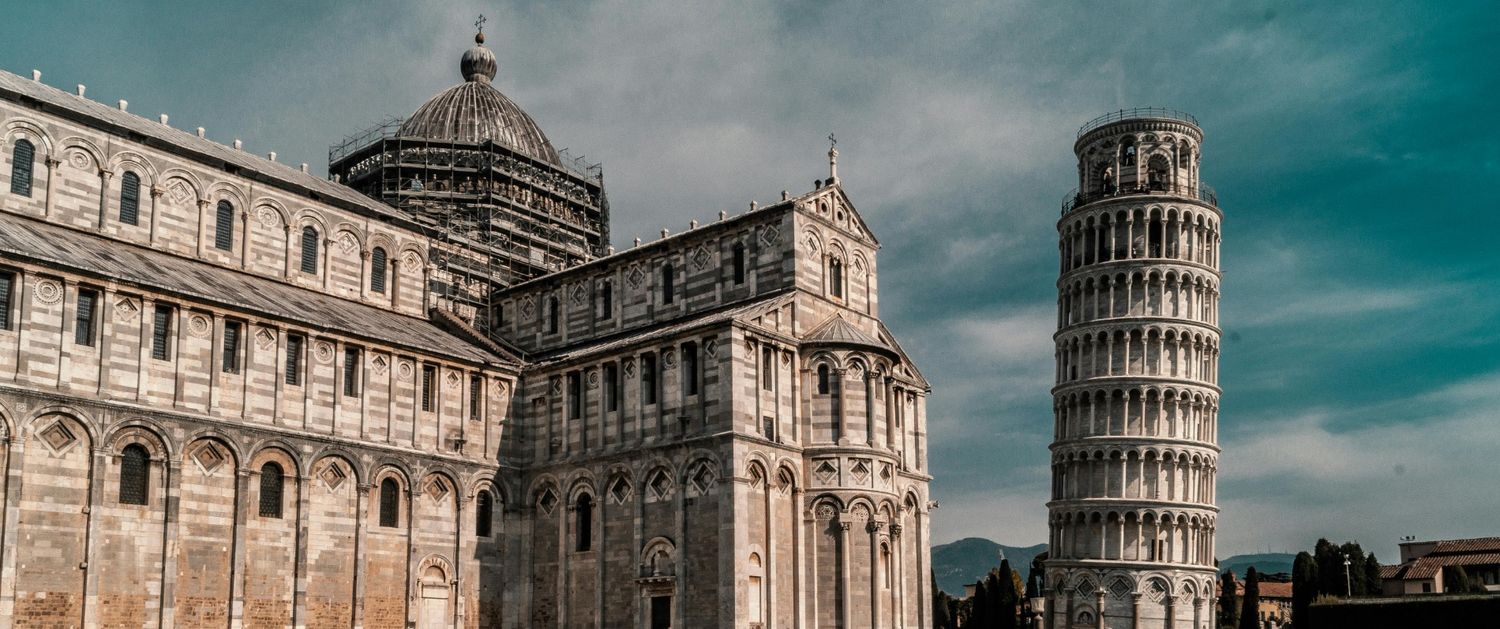
The Leaning Tower of Pisa is one of the most recognizable landmarks in the world. Millions of travelers visit Pisa every year to see the famous leaning tower, climb its spiral staircase, and snap the classic “holding up the tower” photo.
But the story behind the tower is even more interesting than the pictures.
What started as an engineering mistake in medieval Italy became one of the greatest survival stories in architecture. Today, the tower stands as a symbol of history, science, and human creativity.
In this guide, you’ll learn:
- Why the Leaning Tower of Pisa leans
- Who built it and when
- How engineers stopped it from collapsing
- Interesting facts most tourists don’t know
- Travel tips for visiting in 2026
- FAQs people search on Google
Whether you’re planning a trip to Italy or simply curious about this famous structure, this article covers everything you need to know.
What Is the Leaning Tower of Pisa?
The Leaning Tower of Pisa is a freestanding bell tower located in Pisa, Italy. It stands beside the Pisa Cathedral in the famous Piazza dei Miracoli, also known as the Square of Miracles.
The tower is famous because it leans noticeably to one side due to unstable ground beneath its foundation.
Originally built as a religious structure, the tower eventually became one of the world’s most visited tourist attractions.
Quick Facts About the Leaning Tower of Pisa
| Fact | Detail |
| Location | Pisa, Tuscany, Italy |
| Construction Started | 1173 |
| Completed | 1372 |
| Height | About 56 meters |
| Lean Angle | Around 3.97 degrees |
| Steps to the Top | 294 |
| Architectural Style | Romanesque |
| UNESCO Status | World Heritage Site |
Why Does the Leaning Tower of Pisa Lean?
The Real Reason Behind the Lean
The Leaning Tower of Pisa leans because it was built on soft and unstable soil.
The ground beneath the tower contains clay, sand, and shells. When construction reached the second floor in the 12th century, the foundation began sinking unevenly.
The tower’s foundation was also surprisingly shallow for such a heavy structure.
Instead of sinking straight down, one side settled more than the other, causing the entire building to tilt.
A Construction Pause Saved the Tower
Interestingly, wars between Italian city-states delayed construction for nearly 100 years.
That pause gave the soil time to settle naturally. Many historians believe the tower might have collapsed if construction had continued without interruption.
The History of the Leaning Tower of Pisa
Construction Began in 1173
The tower was designed as the bell tower for Pisa Cathedral.
Historians still debate the identity of the original architect, but Bonanno Pisano is often credited. Construction began during a period when Pisa was a wealthy maritime republic.
The Tower Started Leaning Early
By 1178, the tilt had already become obvious.
Builders attempted to compensate by making one side of the upper floors slightly taller than the other. This unusual fix created the tower’s subtle curved shape, sometimes called its “banana bend.”
Finished Nearly 200 Years Later
The tower was finally completed in 1372 after decades of interruptions.
Despite its instability, it survived wars, weather, and even earthquakes for centuries.
How Engineers Saved the Leaning Tower of Pisa
The Tower Was Once in Serious Danger
By the late 20th century, experts feared the tower could collapse.
The lean had reached dangerous levels, and the structure was sinking by roughly 1.2 millimeters per year.
Modern Stabilization Efforts
In 1990, the tower was closed to the public for major restoration work.
Engineers used several methods to stabilize it, including:
- Removing soil beneath the higher side
- Adding counterweights
- Strengthening the foundation
- Monitoring movement with sensors
These efforts successfully reduced the tilt by about 48 centimeters.
Today, experts believe the tower should remain stable for at least 200 more years.
Why They Didn’t Straighten It Completely
One of the most interesting facts is that engineers intentionally kept the tower leaning.
A perfectly straight tower would lose its identity and historical charm. In fact, some experts say fully correcting the lean could reduce stability because the structure has adapted to its tilted position over centuries.
Architecture of the Leaning Tower of Pisa
The Leaning Tower of Pisa is considered a masterpiece of Romanesque architecture.
Key Design Features
- White marble exterior
- Eight stories
- Circular arcades
- Elegant columns and arches
- Seven bells at the top
The tower’s design gives it a graceful appearance despite its tilt.
How Tall Is the Leaning Tower of Pisa?
The tower measures:
- About 56.7 meters on the high side
- About 55.9 meters on the low side
Its tilt causes a noticeable height difference.
Climbing the Leaning Tower of Pisa
Is the Climb Worth It?
Absolutely.
Visitors often say the climb feels strange because the staircase tilts as you walk upward. The worn stone steps and changing balance create a unique experience you won’t find anywhere else.
At the top, you’ll get panoramic views of Pisa and the surrounding Tuscan landscape.
What to Expect
- Around 30 minutes for the full experience
- 294 spiral steps
- Timed entry tickets
- Limited visitor numbers
Children under 8 are usually not allowed to climb for safety reasons.
Best Time to Visit the Leaning Tower of Pisa
Ideal Months
The best months to visit are:
- April
- May
- September
- October
These months offer pleasant weather and smaller crowds.
Best Time of Day
Early morning or late afternoon is ideal for:
- Better lighting for photos
- Shorter lines
- Cooler temperatures
Interesting Facts About the Leaning Tower of Pisa
1. It Was Never Supposed to Lean
The tilt was completely accidental.
2. The Tower Has Survived Earthquakes
Researchers believe the soft soil that caused the lean also helped absorb earthquake vibrations.
3. Galileo May Have Used the Tower for Experiments
Legend says Galileo dropped objects from the tower to study gravity.
4. The Tower Attracts Millions of Visitors
More than 5 million people visit every year.
5. Other Towers in Pisa Also Lean
Several nearby bell towers have slight tilts because of the same unstable ground.
Photography Tips at the Leaning Tower of Pisa
Everyone wants the classic photo pretending to hold up the tower.
Best Photo Spots
- Grass lawn near Piazza dei Miracoli
- Side angles for fewer crowds
- Sunset lighting for golden tones
Tips for Better Pictures
- Use wide-angle mode
- Arrive early
- Avoid midday shadows
- Try creative poses instead of standard tourist shots
Nearby Attractions in Pisa
Most visitors spend time exploring the entire Piazza dei Miracoli.
Pisa Cathedral
A stunning medieval cathedral with detailed marble interiors.
Pisa Baptistery
Famous for its incredible acoustics and Romanesque-Gothic architecture.
Camposanto Monumentale
A historic cemetery filled with frescoes and sculptures.
How to Get to the Leaning Tower of Pisa
From Florence
The easiest option is by train.
- Travel time: About 1 hour
- Frequent daily departures
From Rome
High-speed trains connect Rome to Pisa in roughly 2.5–3 hours.
From Pisa Airport
The tower is only a short bus or taxi ride from the airport.
FAQs About the Leaning Tower of Pisa
Why is the Leaning Tower of Pisa leaning?
The tower leans because it was built on soft soil with an inadequate foundation, causing uneven sinking during construction.
Can you go inside the Leaning Tower of Pisa?
Yes. Visitors can climb the tower using a timed-entry ticket.
How long did it take to build the Leaning Tower of Pisa?
Construction lasted nearly 200 years, from 1173 to 1372.
Is the Leaning Tower of Pisa safe?
Yes. Extensive stabilization work completed in 2001 significantly improved safety.
How much does it cost to visit the Leaning Tower of Pisa?
Ticket prices vary, but adult climbing tickets are generally around €20.
How many stairs are in the Leaning Tower of Pisa?
There are approximately 294 steps leading to the top.
Conclusion
The Leaning Tower of Pisa is far more than a tilted building.
It’s a story of medieval ambition, engineering mistakes, scientific innovation, and cultural identity. What could have become a disaster turned into one of the world’s most beloved landmarks.
From its fascinating history to its unique architectural design, the tower continues to amaze travelers, historians, and engineers alike.
If you’re planning a trip to Italy, climbing the Leaning Tower of Pisa is an experience you’ll never forget. And if you simply love world history and architecture, its story proves that imperfections sometimes create the greatest wonders of all.
