
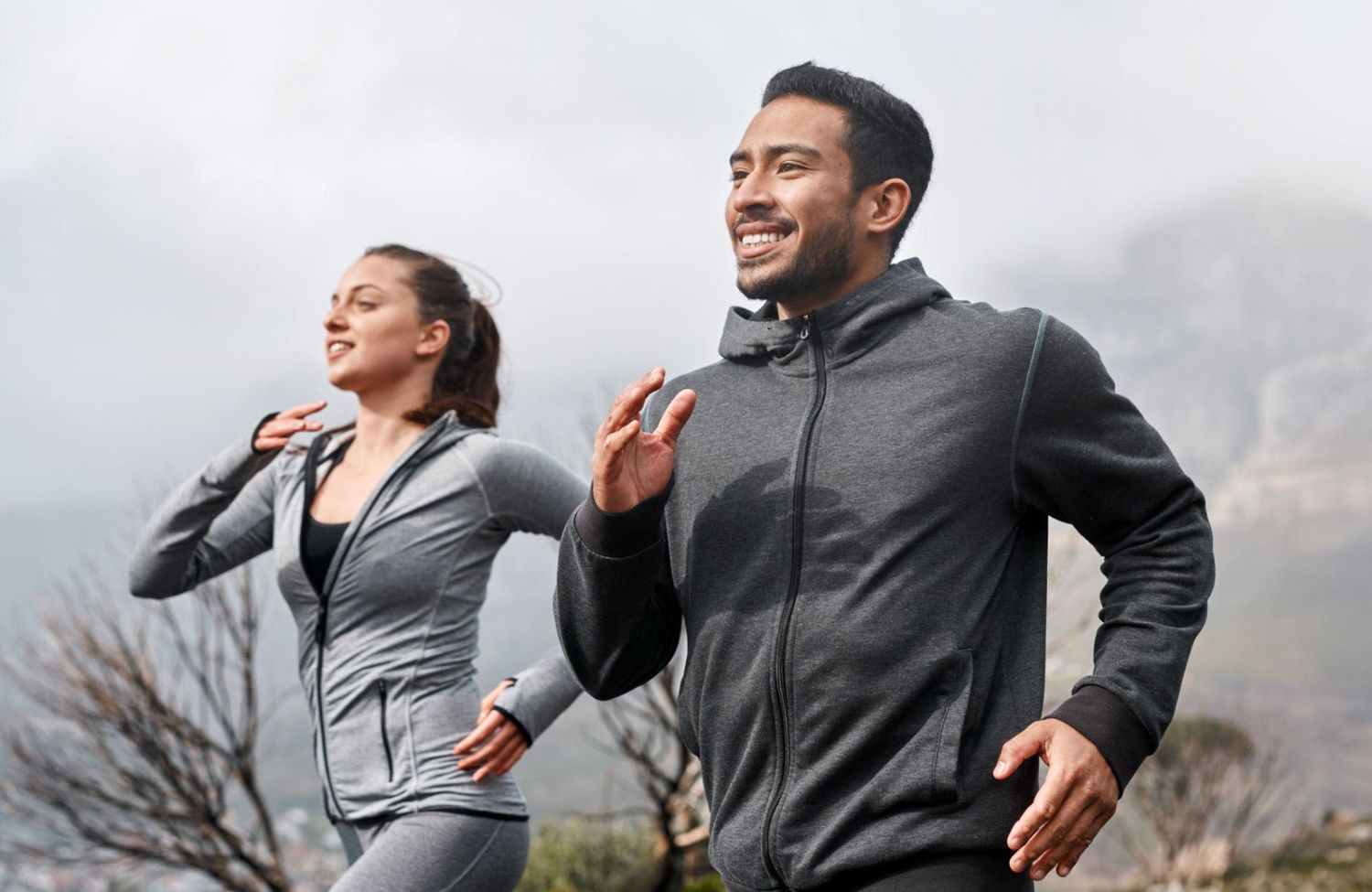
Modern life has become more stressful, digital, and inactive than ever before. Long working hours, screen addiction, and unhealthy habits affect both physical and mental health. This is why sports, lifestyle, and recreation have become essential parts of daily living in 2026.
People no longer see sports and recreation as simple hobbies. They are now powerful tools for improving fitness, reducing stress, building confidence, and creating stronger communities. From outdoor adventures to gym training and social sports leagues, recreational activities help people live balanced lives.
This guide explains everything you need to know about sport, lifestyle, and recreation, including benefits, trends, activities, and practical ways to adopt a healthier lifestyle.
What Is Sport Lifestyle and Recreation?
Sport lifestyle and recreation refer to physical and leisure activities that improve health, enjoyment, and personal well-being. These activities may include organized sports, fitness routines, outdoor adventures, or casual recreational hobbies.
A healthy sports lifestyle combines:
- Regular physical activity
- Balanced nutrition
- Mental wellness
- Social interaction
- Active leisure time
Recreation focuses more on enjoyment and relaxation, while sports often involve skill, competition, or structured fitness goals.
Together, they create a balanced and active lifestyle.
Why Sport, Lifestyle, and Recreation Matter Today
The global health industry continues to promote active living because sedentary lifestyles are increasing worldwide. Many people spend most of their day sitting at desks or using digital devices.
An active recreational lifestyle helps reduce the risks of:
- Obesity
- Heart disease
- Anxiety
- Depression
- Diabetes
- Poor sleep quality
Studies in recent years also show that people who participate in sports and recreational activities report higher levels of happiness and better emotional health.
Physical Benefits of Sport, Lifestyle, and Recreation
Better Cardiovascular Health
Sports and recreational exercises strengthen the heart and improve blood circulation. Activities like running, swimming, cycling, and football increase endurance and reduce the risk of heart disease.
Regular movement also helps regulate blood pressure and cholesterol levels.
Improved Strength and Flexibility
A balanced fitness lifestyle improves muscle strength, posture, flexibility, and mobility. Recreational workouts such as yoga, hiking, and resistance training support long-term body health.
Strong muscles also reduce the chance of injuries during daily activities.
Weight Management
One major reason people search for a sport lifestyle and recreation is weight control. Active lifestyles burn calories naturally and improve metabolism.
Sports like basketball, tennis, and swimming are effective for maintaining a healthy body composition.
Mental and Emotional Benefits
Reduced Stress and Anxiety
Physical activity releases endorphins, which are natural mood boosters. Recreational sports help clear the mind and reduce mental pressure caused by work or personal responsibilities.
Outdoor activities are especially beneficial because nature exposure improves emotional balance.
Better Sleep Quality
People who stay physically active often enjoy deeper and more consistent sleep. Exercise regulates the body clock and reduces insomnia symptoms.
Even light evening activities like walking or stretching can improve rest quality.
Increased Confidence and Motivation
Achieving fitness goals builds self-confidence. Learning sports skills or improving physical performance creates a sense of accomplishment.
This confidence often carries into professional and social life as well.
Popular Sport, Lifestyle, and Recreation Activities in 2026
Outdoor Recreation Activities
Outdoor recreation continues to grow worldwide because people want healthier lifestyles away from screens.
Popular activities include:
- Hiking
- Camping
- Cycling
- Kayaking
- Trail running
- Rock climbing
These activities improve physical health while also supporting mental relaxation.
Fitness and Gym Culture
Modern gyms now focus on complete wellness rather than bodybuilding alone. Functional fitness, HIIT workouts, and hybrid training programs dominate the fitness industry.
Many people combine:
- Strength training
- Cardio workouts
- Mobility exercises
- Recovery sessions
Fitness apps and wearable devices also help users track health progress more accurately.
Team Sports and Social Recreation
Team sports build communication skills and social connections. Recreational leagues are growing in cities worldwide because people want both exercise and community engagement.
Popular recreational sports include:
- Football
- Volleyball
- Basketball
- Cricket
- Pickleball
- Badminton
These activities create enjoyable fitness experiences for people of all ages.
How Technology Is Changing Sport, Lifestyle, and Recreation
Technology has transformed how people approach fitness and recreation.
Modern innovations include:
- Smart fitness watches
- AI-powered workout apps
- Virtual fitness coaching
- Online sports communities
- Recovery tracking systems
Wearable fitness devices now monitor:
- Heart rate
- Calories burned
- Sleep quality
- Stress levels
- Workout performance
This helps users make smarter health decisions and stay motivated.
Healthy Habits That Support an Active Lifestyle
Balanced Nutrition
Nutrition plays a major role in sports performance and recovery. Healthy eating provides energy and helps the body repair itself after physical activity.
A balanced sports nutrition plan includes:
- Lean protein
- Whole grains
- Healthy fats
- Fruits and vegetables
- Proper hydration
Processed foods and sugary drinks should be limited whenever possible.
Consistent Daily Movement
You do not need intense workouts every day to maintain a healthy recreational lifestyle.
Simple daily habits matter, including:
- Walking regularly
- Taking stairs
- Stretching breaks
- Light home workouts
- Weekend outdoor activities
Consistency is more important than perfection.
Recovery and Rest
Recovery is often ignored in modern fitness culture. However, the body needs proper rest to avoid injuries and burnout.
Healthy recovery habits include:
- Quality sleep
- Stretching
- Hydration
- Massage therapy
- Rest days
Sport, Lifestyle, and Recreation for Different Age Groups
Children and Teenagers
Young people benefit greatly from sports participation. Recreational activities improve:
- Discipline
- Teamwork
- Physical growth
- Confidence
- Social skills
Parents are encouraged to support active hobbies instead of excessive screen time.
Adults
Adults often use recreational fitness to reduce stress and maintain work-life balance. Sports activities also help improve energy levels and productivity.
Busy schedules make flexible activities like walking, cycling, and gym workouts popular choices.
Seniors
Active aging has become an important health trend in 2026. Seniors who stay active often enjoy better mobility, mental sharpness, and independence.
Low-impact recreational activities include:
- Swimming
- Walking
- Tai chi
- Yoga
- Light cycling
How to Start a Sport Lifestyle and Recreation Routine
Choose Activities You Enjoy
Many people quit fitness programs because they choose activities they dislike.
Instead, select recreational activities that feel enjoyable and sustainable.
Examples include:
- Dancing
- Hiking
- Team sports
- Martial arts
- Swimming
Enjoyment increases consistency.
Set Realistic Goals
Start with achievable goals rather than extreme fitness targets.
Good beginner goals include:
- Exercising three times weekly
- Walking 8,000 steps daily
- Joining a weekend sports club
- Improving flexibility
Small wins create long-term motivation.
Create a Weekly Schedule
A structured routine helps build healthy habits.
Example weekly recreation plan:
| Day | Activity |
| Monday | Strength training |
| Tuesday | Walking or yoga |
| Wednesday | Team sport |
| Thursday | Cycling |
| Friday | Rest and recovery |
| Saturday | Outdoor recreation |
| Sunday | Light stretching |
The Social Impact of Sports and Recreation
Building Stronger Communities
Community sports programs encourage inclusion and teamwork. Recreational activities bring people together regardless of age or background.
Public parks, fitness clubs, and sports centers create social connections that improve emotional well-being.
Supporting Mental Health Awareness
Many organizations now use sports programs to support mental health campaigns. Physical activity helps people cope with stress, loneliness, and emotional pressure.
This is especially important for younger generations facing digital burnout.
Common Challenges in Maintaining an Active Lifestyle
Lack of Time
Busy work schedules remain the biggest obstacle. However, short workouts and active routines can still deliver health benefits.
Even 20–30 minutes daily makes a difference.
Motivation Problems
Motivation naturally changes over time. This is why habits matter more than temporary inspiration.
Joining a fitness group or sports club often improves accountability.
Financial Limitations
Some people believe sports and recreation are expensive, but many activities are affordable or free.
Budget-friendly options include:
- Walking
- Home workouts
- Public parks
- Community sports
- Free fitness apps
Future Trends in Sport, Lifestyle, and Recreation
The future of recreation and fitness is becoming more personalized and technology-driven.
Major 2026 trends include:
- AI fitness coaching
- Hybrid gym memberships
- Outdoor wellness retreats
- Virtual sports competitions
- Recovery-focused training
- Sustainable fitness products
People are now prioritizing long-term health instead of short-term appearance goals.
FAQs About Sport, Lifestyle, and Recreation
What do sport, lifestyle, and recreation mean?
It refers to active living through sports, fitness, and leisure activities that improve physical, mental, and social well-being.
Why are sports and recreation important?
They improve health, reduce stress, support emotional wellness, and encourage social interaction.
What are the best recreational activities for beginners?
Walking, cycling, swimming, yoga, and light gym workouts are excellent beginner-friendly activities.
How often should people exercise?
Most health experts recommend at least 150 minutes of moderate physical activity weekly.
Can recreation improve mental health?
Yes. Recreational activities reduce anxiety, improve mood, and help manage stress naturally.
Conclusion
A strong sports lifestyle and recreation routine is one of the best investments you can make for your physical and mental health. In today’s fast-moving digital world, staying active is no longer optional for long-term wellness.
Sports and recreation help improve energy, confidence, social connection, and overall quality of life. Whether you enjoy team sports, outdoor adventures, gym training, or casual daily walks, consistent movement creates lasting benefits.
Start small, stay consistent, and focus on activities you genuinely enjoy. Over time, an active lifestyle becomes more than a routine — it becomes part of who you are.
