
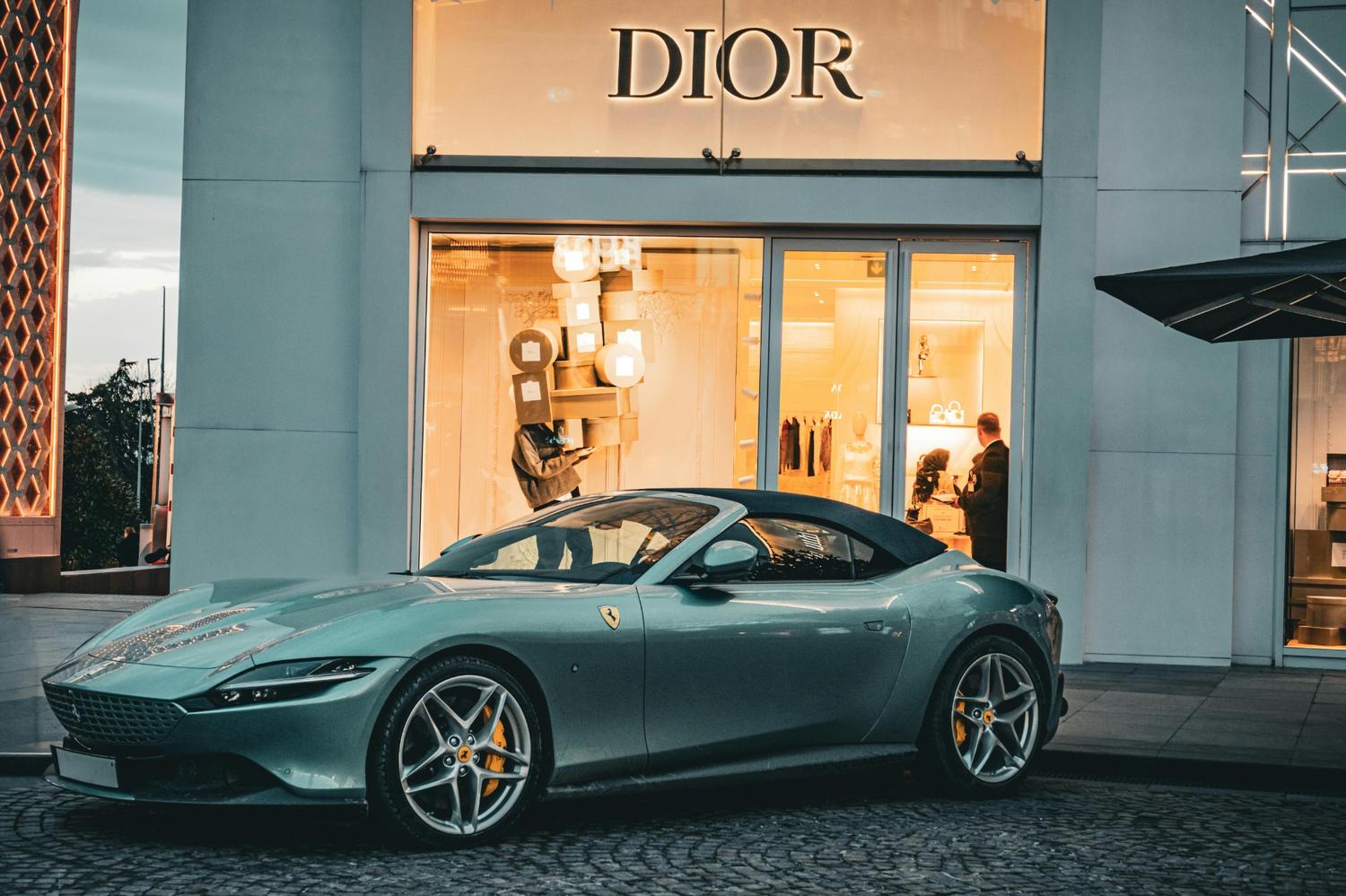
Luxury is no longer limited to expensive handbags or designer watches. Today, lifestyle luxury brands influence how people dress, travel, decorate their homes, use technology, and even spend their free time.
In 2026, consumers are looking for more than status symbols. They want quality, exclusivity, sustainability, and experiences that match their identity. That is why lifestyle luxury brands continue to dominate global markets and shape modern culture.
From premium fashion houses to luxury wellness and smart living companies, these brands create aspirational lifestyles that millions admire. This guide explores the biggest lifestyle luxury brands, why they matter, and how the luxury industry is evolving worldwide.
What Are Lifestyle Luxury Brands?
Lifestyle luxury brands are companies that sell premium products and experiences connected to a high-end way of living. These brands focus on quality, craftsmanship, design, exclusivity, and emotional value.
Unlike standard luxury labels that only sell fashion or jewelry, lifestyle luxury brands cover multiple categories, including:
- Fashion and accessories
- Luxury travel
- Home décor and furniture
- Wellness and beauty
- Technology and smart devices
- Gourmet food and beverages
- Sports and recreation
People buy luxury products not only for function but also for prestige, confidence, and personal expression.
Why Lifestyle Luxury Brands Are Growing Fast in 2026
The luxury industry has changed significantly over the last few years. Modern buyers are younger, more digital, and more experience-focused.
Several trends are driving the rise of lifestyle luxury brands globally.
Digital Luxury Shopping
Online shopping has made luxury more accessible. Consumers can now explore premium collections through virtual showrooms, social media campaigns, and mobile apps.
Luxury brands are investing heavily in:
- AI-powered shopping experiences
- Virtual try-ons
- Personalized recommendations
- Exclusive online drops
Luxury Experiences Matter More
Consumers now value experiences as much as products. Luxury travel, private dining, wellness retreats, and premium memberships are becoming major parts of the luxury lifestyle market.
Sustainability Is a Priority
Modern luxury buyers care about ethical production and environmental responsibility.
Top lifestyle luxury brands now focus on:
- Sustainable materials
- Carbon-neutral manufacturing
- Ethical sourcing
- Limited waste production
Younger Buyers Are Entering the Market
Gen Z and millennials are reshaping the luxury industry. These buyers prefer:
- Limited-edition items
- Personalized products
- Digital engagement
- Authentic brand stories
Top Lifestyle Luxury Brands Dominating the Global Market
Several companies continue to lead the luxury industry through innovation, craftsmanship, and strong global influence.
Fashion and Accessories Luxury Brands
Fashion remains the heart of the luxury market.
Louis Vuitton
Known for premium leather goods, travel collections, and iconic monogram designs, Louis Vuitton remains one of the most valuable luxury brands in the world.
Its collaborations with artists, athletes, and designers keep the brand culturally relevant.
Gucci
Gucci combines bold creativity with modern luxury appeal. The brand attracts younger audiences through digital campaigns and trend-driven collections.
Chanel
Chanel represents timeless elegance. Its classic handbags, fragrances, and couture collections continue to define premium fashion.
Hermès
Hermès focuses on exclusivity and craftsmanship. Products like the Birkin bag are considered investment pieces due to their rarity and value retention.
Lifestyle Luxury Brands in Technology
Technology has become a major part of luxury living.
Apple
Apple successfully blends premium design, performance, and lifestyle branding. Products like the iPhone Pro, MacBook, and Apple Watch Ultra appeal strongly to luxury consumers.
Bang & Olufsen
This luxury audio brand is known for elegant speakers, sound systems, and premium entertainment experiences.
Vertu
Vertu specializes in handcrafted luxury smartphones designed for elite customers seeking exclusivity.
Luxury Home and Interior Lifestyle Brands
Modern luxury living extends into home design and interiors.
Restoration Hardware
Restoration Hardware offers premium furniture, lighting, and home décor collections inspired by timeless elegance.
Fendi Casa
Fendi expanded from fashion into luxury furniture and home styling, creating complete premium lifestyle experiences.
Roche Bobois
Known for artistic furniture designs, Roche Bobois combines innovation with luxury craftsmanship.
Luxury Travel and Hospitality Brands
Travel has become one of the fastest-growing luxury lifestyle sectors.
Ritz-CarltonThe
Ritz-Carlton delivers world-class hospitality with personalized guest experiences and luxury accommodations.
Four Seasons
Four Seasons continues to lead premium hospitality with private residences, luxury resorts, and exclusive travel experiences.
Aman Resorts
Aman is known for ultra-private luxury destinations focused on wellness, tranquility, and personalized service.
The Psychology Behind Lifestyle Luxury Brands
Luxury brands succeed because they connect emotionally with consumers.
People often associate luxury products with:
- Success
- Confidence
- Social recognition
- Personal achievement
- Exclusivity
Lifestyle luxury brands also create strong emotional storytelling through marketing, packaging, and customer experiences.
This emotional connection increases brand loyalty and long-term value.
How Social Media Changed Luxury Branding
Social media transformed how luxury brands reach audiences.
Platforms like Instagram, TikTok, and YouTube allow brands to:
- Showcase luxury lifestyles visually
- Partner with influencers
- Launch viral campaigns
- Reach younger global audiences
Luxury marketing now focuses heavily on digital storytelling.
Influencer Marketing in Luxury
Celebrity endorsements and luxury influencers help brands gain visibility and trust.
Popular luxury campaigns often include:
- Fashion influencers
- Athletes
- Musicians
- Entrepreneurs
- Travel creators
Sustainable Lifestyle Luxury Brands
Sustainability is becoming a key competitive advantage in the luxury market.
Consumers increasingly support brands that prioritize:
- Ethical labor practices
- Eco-friendly packaging
- Responsible sourcing
- Durable products
Leading Sustainable Luxury Brands
Stella McCartney
Stella McCartney is known for sustainable luxury fashion and cruelty-free materials.
Patagonia
Patagonia blends outdoor performance with environmental activism and ethical manufacturing.
Brunello Cucinelli
This Italian luxury brand emphasizes human-centered production and responsible craftsmanship.
How to Choose the Right Lifestyle Luxury Brands
Not every luxury brand fits every consumer. Choosing the right one depends on personal preferences and goals.
Consider Quality Over Hype
Some products gain popularity through trends, but true luxury focuses on craftsmanship and durability.
Focus on Timeless Design
Classic designs usually maintain value longer than short-term trends.
Evaluate Brand Heritage
Established lifestyle luxury brands often have decades or centuries of craftsmanship and reputation behind them.
Understand Resale Value
Some luxury items increase in value over time, especially limited-edition products and iconic collections.
H2: Lifestyle Luxury Brands for Modern Consumers
Modern consumers expect more from luxury brands than previous generations.
They want:
- Personalized experiences
- Digital convenience
- Authentic storytelling
- Sustainability
- Community engagement
Brands that fail to adapt risk losing relevance in a rapidly changing market.
H3: Lifestyle Luxury Brands and Smart Living
Smart homes and connected devices are becoming part of luxury lifestyles.
High-end consumers now invest in:
- Smart lighting systems
- Luxury home automation
- Premium security technology
- AI-powered appliances
The future of luxury living combines elegance with advanced technology.
The Future of Lifestyle Luxury Brands
The luxury industry is expected to continue growing throughout 2026 and beyond.
Several trends will shape the future.
AI and Personalization
Artificial intelligence helps brands create personalized shopping experiences and tailored recommendations.
Virtual Luxury Experiences
Virtual fashion shows, digital collectibles, and immersive online stores are becoming increasingly popular.
Expansion Into Wellness
Luxury wellness products and services are growing rapidly, including:
- Premium skincare
- Wellness retreats
- Biohacking services
- Luxury fitness clubs
Growth in Emerging Markets
Luxury demand is increasing in Asia, the Middle East, and other emerging regions where wealthy consumers are expanding quickly.
Common Mistakes People Make When Buying Luxury Products
Many buyers focus only on brand names instead of long-term value.
Avoid these mistakes:
- Buying based only on trends
- Ignoring authenticity verification
- Overspending on impulse purchases
- Choosing low-quality collaborations
- Neglecting resale research
Smart luxury shopping requires research and patience.
FAQs About Lifestyle Luxury Brands
What are the most popular lifestyle luxury brands?
Some of the most recognized lifestyle luxury brands include Louis Vuitton, Gucci, Chanel, Hermès, Apple, Ritz-Carlton, and Four Seasons.
Why do people buy luxury brands?
People buy luxury brands for quality, exclusivity, prestige, craftsmanship, and emotional satisfaction.
Are luxury brands a good investment?
Some luxury products, especially rare handbags, watches, and limited editions, can increase in value over time.
Which luxury brands focus on sustainability?
Brands like Stella McCartney, Patagonia, and Brunello Cucinelli are known for sustainable luxury practices.
How are younger consumers changing the luxury market?
Millennials and Gen Z prefer digital experiences, personalization, sustainability, and authentic brand values.
What industries are included in lifestyle luxury brands?
Lifestyle luxury brands operate in fashion, travel, technology, home décor, beauty, wellness, and hospitality.
Conclusion
Lifestyle luxury brands continue to shape global culture, consumer behavior, and premium living standards in 2026. These brands represent far more than expensive products. They symbolize identity, craftsmanship, innovation, and aspiration.
As consumer expectations evolve, successful luxury brands are adapting through sustainability, personalization, technology, and immersive experiences. Whether someone is interested in fashion, travel, smart living, or wellness, the modern luxury market offers endless opportunities to elevate everyday life.
For consumers, the key is choosing brands that align with personal values, long-term quality, and authentic lifestyle goals.
