
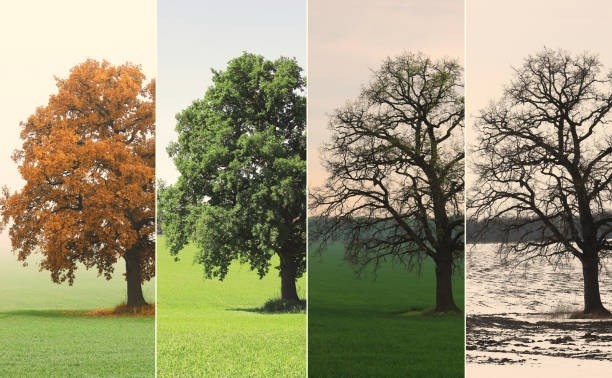
Changing seasons shape almost every part of human life. From the food we eat to the clothes we wear, seasonal changes influence our routines, emotions, health, and social activities. Many people notice they feel more energetic in spring or more tired during winter, but few understand why this happens.
If you have ever wondered how do changing seasons affect our lifestyle, the answer goes far beyond weather. Seasonal shifts impact physical health, mental well-being, productivity, sleep patterns, travel habits, and even spending behavior.
This guide explains the real effects of seasonal changes on modern lifestyles and offers practical ways to stay healthy and balanced throughout the year.
Why Changing Seasons Affect Human Life
Humans naturally respond to changes in temperature, sunlight, humidity, and daylight hours. For thousands of years, seasonal cycles controlled farming, work schedules, food availability, and survival.
Even in today’s technology-driven world, our bodies still react strongly to seasonal transitions.
Some major seasonal factors include:
- Temperature changes
- Amount of sunlight
- Humidity levels
- Air quality
- Rainfall and snowfall
- Daylight duration
These environmental shifts affect hormones, energy levels, and daily habits.
How Do Changing Seasons Affect Our Lifestyle and Daily Routine?
One of the biggest lifestyle impacts comes from routine changes. People naturally adjust their schedules based on the season.
Summer Lifestyle Habits
During summer, people often:
- Spend more time outdoors
- Travel more frequently
- Exercise outside
- Attend social gatherings
- Stay awake longer due to extended daylight
Longer days usually increase activity levels and social interaction.
Winter Lifestyle Changes
Winter often brings:
- Reduced outdoor activity
- More indoor entertainment
- Increased screen time
- Changes in sleep patterns
- Lower physical movement
Cold weather can also reduce motivation and productivity for many individuals.
Spring and Autumn Transitions
Spring often feels refreshing because plants bloom, temperatures rise, and sunlight increases. Autumn, on the other hand, encourages slower routines and preparation for colder months.
These seasonal transitions affect emotions and behavior more than many people realize.
Seasonal Changes and Mental Health
Mental health is one of the clearest examples of how changing seasons affect our lifestyle.
Seasonal Mood Changes
Many people experience emotional changes during certain seasons.
Common symptoms include:
- Low energy
- Mood swings
- Irritability
- Lack of motivation
- Difficulty concentrating
Winter months are especially linked to lower mood levels because of reduced sunlight exposure.
Seasonal Affective Disorder (SAD)
Some individuals develop a condition called Seasonal Affective Disorder, commonly known as SAD.
This condition usually appears during fall and winter and may cause:
- Depression
- Fatigue
- Sleep problems
- Increased appetite
- Social withdrawal
Lack of sunlight affects serotonin and melatonin production, which impacts mood and sleep cycles.
How to Protect Mental Health During Seasonal Changes
Helpful strategies include:
- Getting regular sunlight exposure
- Maintaining exercise routines
- Following a consistent sleep schedule
- Eating nutrient-rich foods
- Staying socially active
Light therapy is also commonly used in regions with long winters.
How Seasonal Changes Affect Physical Health
Seasonal changes directly impact the immune system, energy levels, and overall health.
Winter Health Challenges
Cold weather increases the risk of:
- Flu
- Common colds
- Dry skin
- Joint pain
- Reduced physical activity
Indoor heating can also dry out the skin and irritate breathing passages.
Summer Health Risks
Hot weather may lead to:
- Dehydration
- Heat exhaustion
- Sunburn
- Sleep discomfort
- Fatigue
Hydration becomes extremely important during warmer months.
Spring Allergies
Spring brings pollen and allergens that affect millions of people worldwide.
Common symptoms include:
- Sneezing
- Watery eyes
- Nasal congestion
- Breathing discomfort
Air quality changes during different seasons also affect respiratory health.
The Impact of Seasons on Sleep Patterns
Sleep quality changes throughout the year because light exposure controls the body’s internal clock.
Longer Days and Shorter Sleep
During summer, extended daylight can delay bedtime. People often stay awake later and wake up earlier.
This may reduce total sleep hours.
Winter and Increased Sleepiness
In winter, reduced sunlight can increase melatonin production, making people feel more tired.
Many individuals notice:
- Difficulty waking up
- Afternoon fatigue
- Lower morning energy
Maintaining regular sleep habits can help stabilize energy levels year-round.
How Do Changing Seasons Affect Our Lifestyle Through Food Choices?
Seasonal weather strongly influences eating habits and nutrition.
Winter Eating Habits
People often crave:
- Warm meals
- Comfort foods
- High-calorie dishes
- Hot beverages
These foods provide warmth and emotional comfort during colder months.
Summer Food Preferences
In hot weather, people typically prefer:
- Fruits
- Salads
- Cold drinks
- Light meals
Hydrating foods become more important during summer.
Seasonal Nutrition Benefits
Eating seasonal foods can improve nutrition because produce is usually:
- Fresher
- More affordable
- Higher in nutrients
- Better tasting
Seasonal eating also supports local agriculture and environmental sustainability.
Weather Changes and Physical Activity
Physical activity levels often rise and fall with the seasons.
Outdoor Exercise in Warm Seasons
Spring and summer encourage activities like:
- Walking
- Cycling
- Hiking
- Swimming
- Team sports
Warmer weather improves motivation for outdoor fitness.
Reduced Winter Activity
Cold temperatures and shorter days may reduce movement and increase sedentary behavior.
This can contribute to:
- Weight gain
- Reduced fitness
- Lower energy levels
Creating indoor exercise routines helps maintain physical health during colder months.
Seasonal Fashion and Lifestyle Trends
Fashion changes are another clear example of how changing seasons affect our lifestyle.
People adjust clothing based on:
- Temperature
- Rainfall
- Humidity
- Wind conditions
Seasonal Clothing Habits
- Summer: light fabrics and breathable clothing
- Winter: layered outfits and insulated wear
- Spring: flexible transitional clothing
- Autumn: warmer textures and earth tones
Seasonal trends also influence shopping behavior and consumer spending worldwide.
Seasonal Changes and Work Productivity
Productivity often shifts depending on the season.
Higher Energy in Spring
Many people feel more motivated and focused during spring because of increased sunlight and better weather.
Summer Productivity Patterns
Summer may improve creativity and mood, but extreme heat can lower concentration levels.
Winter Productivity Challenges
Shorter days may cause:
- Reduced motivation
- Lower focus
- Increased tiredness
Remote work and flexible schedules have made seasonal productivity patterns even more noticeable in recent years.
How Climate Change Is Affecting Seasonal Lifestyles
Climate change is altering traditional seasonal patterns worldwide.
Many regions now experience:
- Longer summers
- Unpredictable rainfall
- Extreme heat waves
- Delayed winters
- Severe storms
These changes affect agriculture, travel, health, and daily routines.
People increasingly need to adapt lifestyle habits to changing environmental conditions.
Practical Ways to Adapt to Seasonal Changes
Understanding how changing seasons affect our lifestyle can help people prepare more effectively.
Healthy Seasonal Adaptation Tips
Maintain a Consistent Routine
Keeping regular sleep and meal schedules helps the body adapt smoothly.
Stay Physically Active
Exercise improves mood, energy, and immune function throughout the year.
Adjust Your Diet
Eat foods suited to seasonal needs:
- Hydrating foods in summer
- Nutrient-dense meals in winter
Prioritize Mental Wellness
Spend time outdoors, stay connected socially, and manage stress levels.
Prepare Your Home
Seasonal home adjustments improve comfort:
- Humidifiers during winter
- Cooling systems during summer
- Better lighting in darker months
How Different Cultures Adapt to Seasonal Changes
Around the world, cultures have unique seasonal traditions.
Examples include:
- Winter festivals
- Spring celebrations
- Harvest events
- Summer vacations
Seasonal traditions help communities stay emotionally connected and culturally balanced throughout the year.
FAQs About How Changing Seasons Affect Our Lifestyle
Why do people feel different during different seasons?
Changes in sunlight, temperature, and weather affect hormones, sleep, mood, and energy levels.
How do seasons affect mental health?
Reduced sunlight during colder months can lower serotonin levels, which may increase feelings of sadness or fatigue.
Which season affects lifestyle the most?
Winter often has the strongest impact because shorter days and colder weather influence physical activity, mood, and social behavior.
Can changing seasons affect sleep?
Yes. Seasonal daylight changes affect melatonin production and the body’s internal sleep cycle.
How can people stay healthy during seasonal changes?
Maintaining exercise, healthy eating, good sleep habits, hydration, and sunlight exposure can help support health throughout the year.
Conclusion
Understanding how changing seasons affect our lifestyle helps us make smarter decisions for our health, productivity, and emotional well-being. Seasonal changes influence nearly everything, including sleep, mood, diet, work habits, physical activity, and social behavior.
Instead of resisting seasonal transitions, adapting to them can improve quality of life. Small adjustments like eating seasonal foods, staying active, and protecting mental health can make every season healthier and more enjoyable.
As climate patterns continue evolving worldwide, learning how to adapt to seasonal changes will become even more important for future lifestyles.
