
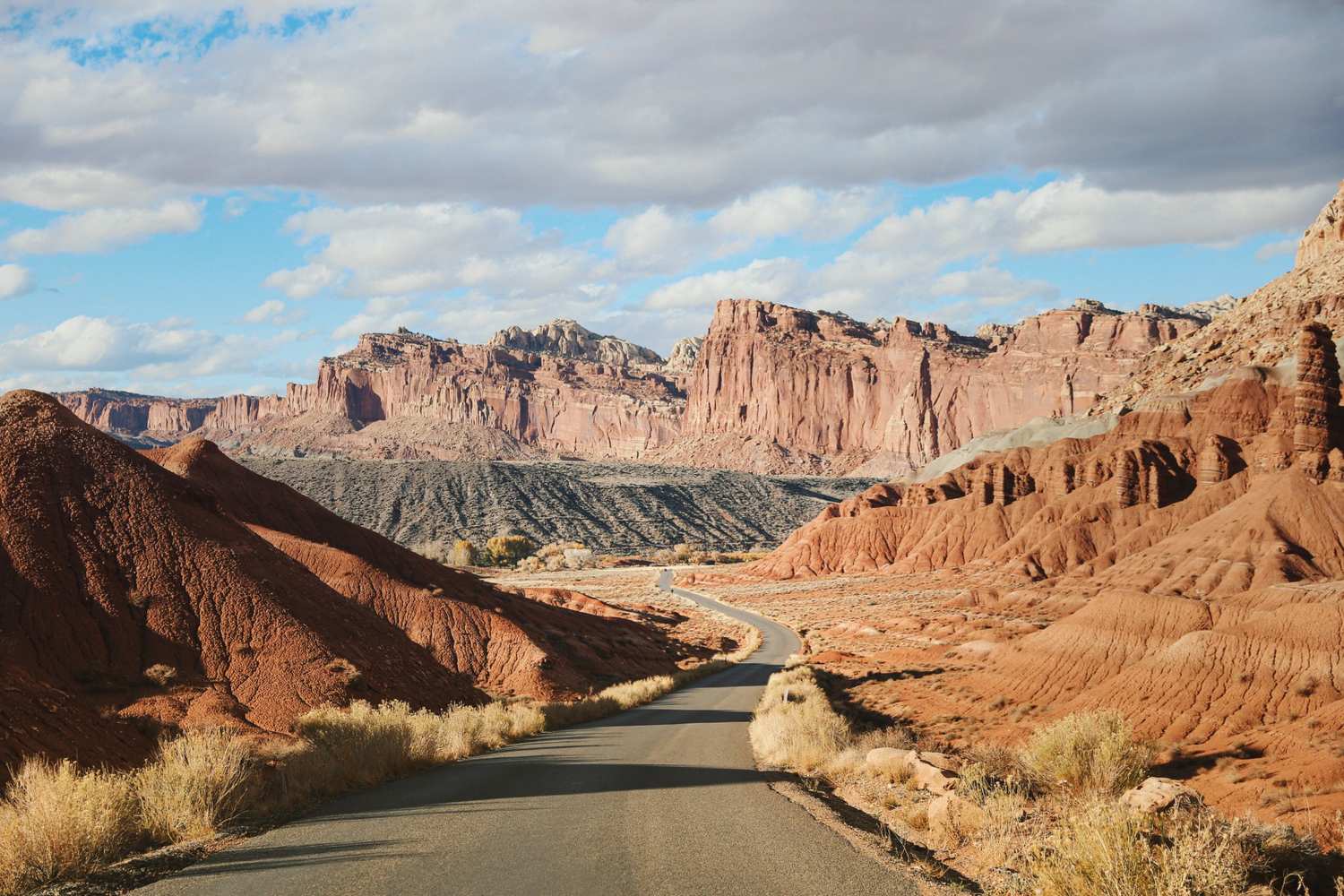
Hidden among Utah’s famous red-rock destinations, Capitol Reef National Park remains one of America’s most underrated national parks. While many travelers flock to Zion, Bryce Canyon, and Arches, Capitol Reef offers breathtaking landscapes, fewer crowds, incredible hiking trails, historic orchards, and one of the most fascinating geological formations in North America.
If you’re planning a trip to southern Utah, this guide covers everything you need to know about Capitol Reef National Park, including the best hikes, scenic drives, camping options, wildlife, photography spots, and practical travel tips for 2026.
Whether you have one day or an entire week, you’ll discover why this remarkable park deserves a spot on every outdoor enthusiast’s bucket list.
What Is Capitol Reef National Park?
Capitol Reef National Park is a protected desert landscape in south-central Utah known for its towering sandstone cliffs, colorful canyons, natural arches, and the famous Waterpocket Fold—a nearly 100-mile-long wrinkle in Earth’s crust. The park preserves millions of years of geological history and offers visitors a quieter alternative to Utah’s busier national parks.
The park covers approximately 241,000 acres and features dramatic red-rock scenery shaped by uplift, erosion, and time. Its unique combination of geology, history, and outdoor recreation makes it one of the most diverse parks in the American Southwest.
Why Is It Called Capitol Reef?
The name Capitol Reef National Park comes from two distinctive landscape features:
- White Navajo sandstone domes resemble the domes of the U.S. Capitol building.
- Long rocky cliffs created barriers to travel, much like coral reefs create obstacles for ships.
Early settlers used the term “reef” to describe these impassable rock formations, and the name eventually stuck.
The Waterpocket Fold: Capitol Reef’s Greatest Wonder
What Is the Waterpocket Fold?
The defining feature of Capitol Reef National Park is the Waterpocket Fold, a massive geological monocline stretching nearly 100 miles through southern Utah. Formed roughly 50–70 million years ago during the Laramide mountain-building event, the fold created dramatic layers of tilted rock that are visible throughout the park.
Why It’s Special
The Waterpocket Fold showcases:
- Nearly 280 million years of geological history
- Colorful sandstone cliffs
- Deep slot canyons
- Massive domes and monoliths
- Natural arches and bridges
- Ancient fossil deposits
Few places in the world provide such a clear view of Earth’s geological evolution.
Best Things to Do in Capitol Reef National Park
1. Drive the Scenic Drive
The Scenic Drive is one of the easiest ways to experience Capitol Reef National Park.
This paved route winds through towering cliffs, colorful rock formations, and desert landscapes while providing access to several trailheads and viewpoints. Visitors can stop frequently for photos and short walks.
Highlights include:
- Panorama Point
- Sunset Point
- Grand Wash
- Capitol Gorge
2. Explore the Fruita Historic District
The Fruita Historic District is often called the heart of Capitol Reef National Park.
Founded by Mormon settlers in the 1880s, Fruita remains famous for its historic orchards, preserved buildings, and scenic setting along the Fremont River. Visitors can explore:
- Gifford Homestead
- Historic schoolhouse
- Blacksmith shop
- Pioneer structures
- Fruit orchards
During harvest season, visitors can often pick fruit directly from designated orchards.
3. See Ancient Petroglyphs
Near the park entrance, visitors can view well-preserved Fremont Culture petroglyphs dating from approximately 600 to 1300 CE. These fascinating rock carvings provide insight into the region’s earliest inhabitants.
4. Experience Dark Sky Stargazing
Capitol Reef is recognized as a premier dark-sky destination.
On clear nights, visitors can see:
- The Milky Way
- Meteor showers
- Planets
- Thousands of visible stars
The park’s remote location and limited light pollution create exceptional night-sky viewing opportunities.
Best Hikes in Capitol Reef National Park
Hickman Bridge Trail
Distance: 1.8 miles round trip
This family-friendly hike leads to one of the park’s most famous natural bridges. The trail offers panoramic desert views and excellent photography opportunities.
Cassidy Arch Trail
Distance: 3.4 miles round trip
Named after outlaw Butch Cassidy, this moderately challenging hike rewards visitors with spectacular views from atop a dramatic sandstone arch.
Grand Wash Trail
Grand Wash takes hikers through towering canyon walls and narrow passages. It’s one of the most immersive ways to experience the geology of Capitol Reef National Park.
Cohab Canyon Trail
One of the park’s hidden gems, Cohab Canyon offers elevated views overlooking Fruita and access to several scenic overlooks. Many experienced visitors rank it among the best hikes in the park.
Navajo Knobs Trail
For adventurous hikers seeking panoramic views, Navajo Knobs delivers some of the most impressive vistas in Capitol Reef National Park.
Hidden Gems Most Visitors Miss
Cathedral Valley
Located in the northern section of Capitol Reef National Park, Cathedral Valley features:
- Temple of the Sun
- Temple of the Moon
- Massive monoliths
- Remote desert landscapes
A high-clearance vehicle is generally recommended.
Waterpocket District
The southern Waterpocket District offers a more remote and adventurous experience. Visitors can explore:
- Burr Trail Road
- Strike Valley Overlook
- Upper Muley Twist Canyon
- Headquarters Canyon
This area receives significantly fewer visitors than the Fruita region.
Wildlife in Capitol Reef National Park
Wildlife viewing is often overlooked in Capitol Reef National Park, but patient visitors may spot:
- Desert bighorn sheep
- Mule deer
- Marmots
- Gray foxes
- Golden eagles
- Peregrine falcons
- Numerous lizard species
The best times for wildlife viewing are sunrise and sunset.
Best Time to Visit Capitol Reef National Park
Spring (March–May)
Pros:
- Pleasant temperatures
- Wildflowers blooming
- Ideal hiking conditions
Cons:
- More visitors
Summer (June–August)
Pros:
- Long daylight hours
- Excellent stargazing
Cons:
- Hot daytime temperatures
Fall (September–November)
Pros:
- Comfortable weather
- Orchard harvest season
- Colorful foliage in Fruita
Many travelers consider the fall the best time to visit Capitol Reef National Park.
Winter (December–February)
Pros:
- Very few crowds
- Unique snow-dusted landscapes
Cons:
- Cold temperatures
- Some road closures
Where to Stay Near Capitol Reef National Park
Inside the Park
- Fruita Campground
Nearby Towns
Torrey, Utah, serves as the primary gateway community and offers:
- Hotels
- Vacation rentals
- Restaurants
- Campgrounds
- Tour services
Many experienced travelers recommend staying in Torrey for convenient park access.
Sample One-Day Itinerary
If you only have one day in Capitol Reef National Park, consider this itinerary:
Morning
- Visit petroglyphs
- Hike Hickman Bridge
Midday
- Explore Fruita Historic District
- Stop at Gifford Homestead
Afternoon
- Drive Scenic Drive
- Explore Grand Wash
Evening
- Visit Sunset Point
- Enjoy stargazing
This route covers many of the park’s most iconic attractions.
Practical Travel Tips
- Carry more water than you think you’ll need.
- Cell service is limited in many areas.
- Check weather forecasts before entering remote districts.
- Flash floods can occur in canyons.
- Fuel up in Torrey before exploring backcountry roads.
- Start hikes early during the summer months.
- Bring a camera for sunrise and sunset photography.
Frequently Asked Questions
Is Capitol Reef National Park worth visiting?
Absolutely. Many travelers consider Capitol Reef National Park one of Utah’s most underrated national parks because of its incredible scenery, hiking, and relatively low crowds.
How many days do you need in Capitol Reef National Park?
One day covers major highlights, but two to three days allow you to experience Fruita, Cathedral Valley, and the Waterpocket District more thoroughly.
What is the most famous hike in Capitol Reef National Park?
Hickman Bridge and Cassidy Arch are generally considered the park’s signature hikes.
Can you pick fruit in Capitol Reef National Park?
Yes. Seasonal fruit picking is available in designated Fruita orchards when crops are available. Availability varies by season and weather conditions.
What makes Capitol Reef unique?
The Waterpocket Fold, historic orchards, colorful geology, dark skies, and lower visitor numbers distinguish Capitol Reef National Park from other Utah national parks.
Conclusion
Capitol Reef National Park delivers everything travelers love about the American Southwest: towering cliffs, dramatic canyons, fascinating geology, rich pioneer history, and unforgettable hiking experiences, without the overwhelming crowds found in many other national parks.
From exploring the ancient Waterpocket Fold to hiking beneath sandstone arches and wandering the orchards of Fruita, every corner of the park offers something memorable. Whether you’re planning a quick stop or a multi-day adventure, Capitol Reef deserves a prominent place on your Utah travel itinerary.
Start planning your trip now, and discover why so many visitors leave wondering how this incredible national park remained a hidden gem for so long.
