
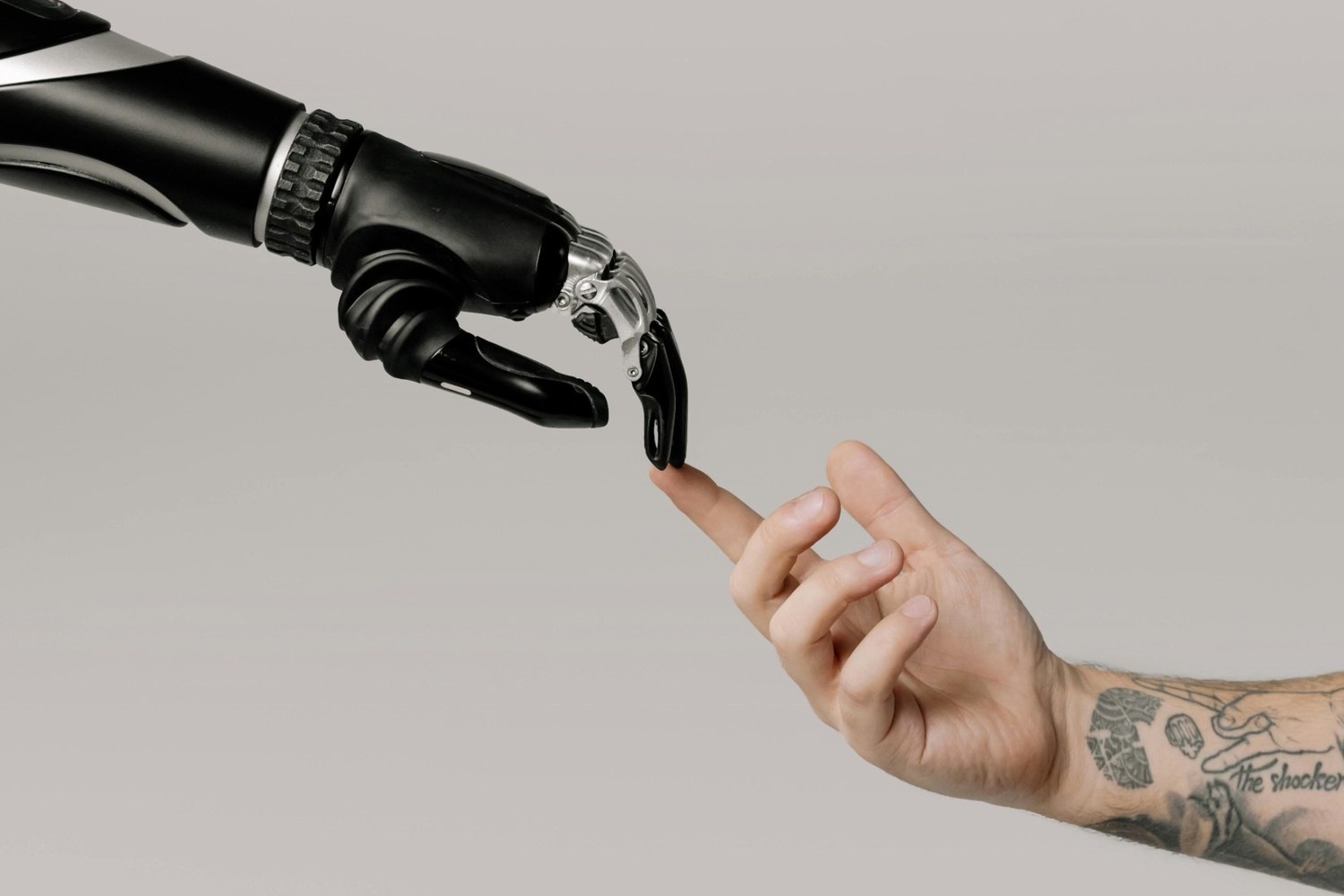
Technology trends are evolving faster than ever before. In 2026, technologies like artificial intelligence, automation, cloud computing, and smart devices are no longer just future concepts. They are actively transforming the way businesses operate, how people work, and how everyday life functions.
From AI-powered assistants and automated workflows to advanced cybersecurity systems and connected smart devices, the digital world is entering a completely new phase. Companies across every industry are investing heavily in innovation to stay competitive in this rapidly changing environment.
At the same time, these changes are creating new opportunities and new challenges. Businesses must adapt quickly. Workers need new digital skills. Consumers are also becoming more connected and dependent on technology in their daily routines.
In this article, we will explore the biggest technology trends shaping 2026 and examine how AI, automation, and digital transformation are influencing the future. You’ll also learn how these innovations are affecting industries, changing workplaces, and redefining the digital experience for people around the world.
Why Technology Trends Matter More Than Ever in 2026
Technology is changing how people live, work, and communicate. In 2026, businesses are relying more on digital tools to improve productivity and customer experience. New innovations are also helping companies reduce costs and make faster decisions. As industries continue to evolve, staying informed about modern developments is becoming more important for both organizations and individuals.
The Rapid Pace of Digital Transformation
Digital transformation is no longer optional for modern businesses. Companies across healthcare, retail, education, and finance are upgrading their systems to remain competitive. Cloud platforms, AI-powered tools, and automation software are now part of daily operations for many organizations.
At the same time, customers expect faster services and personalized experiences. Because of this, businesses are investing heavily in smarter technologies. Small companies are also adapting quickly to compete with larger brands.
These changes are improving efficiency and helping businesses make better decisions using real-time data. As a result, digital transformation continues to shape global markets and business strategies in 2026.
How Consumer Behavior Is Driving Tech Innovation
Consumers are influencing the direction of modern innovation more than ever before. People now prefer digital services that are fast, personalized, and available at any time. This demand is pushing companies to improve apps, online platforms, and customer support systems.
For example, AI-powered recommendations on streaming platforms and shopping websites have become common. Customers also expect secure payment systems and instant communication. Because of these expectations, businesses are developing smarter digital experiences.
In addition, remote work and mobile lifestyles are increasing the use of cloud services and connected devices. Companies that fail to adapt may struggle to meet customer demands in the future.
The Global Impact of Technology Trends
Modern innovations are influencing nearly every industry around the world. In healthcare, AI tools are helping doctors analyze medical data more accurately. In education, digital learning platforms are making remote education easier and more accessible.
Manufacturing companies are using automation to improve production speed and reduce human error. Meanwhile, financial institutions are investing in advanced cybersecurity systems to protect customer data.
Governments are also supporting digital infrastructure projects to improve connectivity and economic growth. As these developments continue, technology trends are creating new business opportunities while also changing how societies function globally.
Artificial Intelligence Is Becoming More Advanced
Artificial intelligence continues to evolve rapidly in 2026. Businesses are using AI to automate tasks, improve customer experiences, and analyze large amounts of data. At the same time, consumers are interacting with AI through smart assistants, chatbots, and personalized recommendations. As AI capabilities grow, industries are finding new ways to integrate intelligent systems into daily operations.
Generative AI Is Expanding Beyond Chatbots
Generative AI has moved far beyond simple chatbots and text generation tools. Businesses now use AI to create videos, marketing content, software code, and even product designs. These systems can save time and improve efficiency across multiple industries.
For example, marketing teams use AI to create social media content and email campaigns faster. Software developers are also using AI coding assistants to speed up programming tasks. In healthcare, AI models help researchers analyze medical information more efficiently.
As these tools become more advanced, companies are discovering new ways to increase productivity. However, businesses must still monitor AI-generated content carefully to maintain accuracy and quality.
AI Assistants Are Becoming Everyday Tools
AI assistants are becoming part of everyday life for both businesses and consumers. People now rely on virtual assistants to manage schedules, answer questions, and perform online searches quickly. Businesses are also integrating AI-powered customer support systems to improve response times.
These systems can analyze customer behavior and provide personalized recommendations. As a result, companies can improve engagement and customer satisfaction. AI assistants are also helping employees automate repetitive administrative tasks.
In workplaces, AI tools support data analysis, content creation, and project management. Because of these benefits, more organizations are adopting intelligent assistants to improve efficiency and reduce manual workloads.
Ethical Concerns Around AI
Although AI offers many advantages, it also raises serious ethical concerns. One major issue is data privacy. AI systems often collect and analyze large amounts of personal information, which creates security risks if not managed properly.
Bias in AI algorithms is another challenge. If training data is inaccurate or unbalanced, AI systems may produce unfair outcomes. This can affect hiring decisions, financial services, and healthcare recommendations.
Governments and technology companies are now focusing more on responsible AI development. Regulations are also becoming stricter in many countries. Moving forward, businesses must balance innovation with transparency, accountability, and ethical practices.
Automation Is Transforming the Workplace
Automation is changing how businesses operate in almost every industry. Companies are using automated systems to reduce repetitive tasks and improve efficiency. While some jobs are evolving, automation is also creating new opportunities that require digital skills and human creativity. As organizations continue to modernize, workers must adapt to changing workplace demands.
How Automation Is Changing Jobs
Automation is reducing the need for many repetitive and time-consuming tasks. In offices, software can now process invoices, schedule meetings, and organize data automatically. In factories, robotic systems are improving production speed and accuracy.
However, automation is not only replacing jobs. It is also changing the nature of work. Employees are spending more time on creative, strategic, and analytical tasks that require human judgment. As a result, collaboration between humans and machines is becoming more common.
Workers who develop digital skills and adaptability will likely benefit most from these changes. Businesses are also investing in employee training programs to prepare teams for the future workplace.
Industries Benefiting Most From Automation
Several industries are experiencing major improvements through automation. Manufacturing companies use robotic systems to increase production efficiency and reduce errors. Logistics businesses rely on automated tracking systems to improve delivery operations.
Healthcare organizations are using automation to manage patient records and streamline administrative tasks. Customer service teams also use chatbots and AI systems to respond to common inquiries quickly.
Marketing departments benefit from automated analytics and email campaign tools. These systems help businesses save time while improving performance. As automation technologies become more advanced, companies across many sectors are expected to increase their investments in intelligent systems.
Skills Workers Need in an Automated Future
The future workplace will require a combination of technical and human-centered skills. Digital literacy is becoming essential in nearly every profession. Workers who understand AI tools, data analysis, and cloud platforms may have stronger career opportunities.
At the same time, soft skills remain highly valuable. Creativity, communication, and problem-solving are difficult for machines to replace. Businesses still need employees who can think critically and make strategic decisions.
Continuous learning is also important. Technology continues to evolve quickly, so workers must stay updated with industry changes. Many companies now encourage employees to complete online courses and digital training programs regularly.
Cybersecurity Is Becoming a Top Priority
As digital systems become more connected, cybersecurity risks continue to increase. Businesses and individuals face threats such as ransomware, phishing attacks, and data breaches. Because of this, organizations are investing more in advanced security systems and employee awareness training. Strong cybersecurity practices are now essential for protecting sensitive information and maintaining trust.
The Rise in Cyber Threats
Cyberattacks are becoming more frequent and sophisticated in 2026. Hackers are using AI-powered tools to target businesses, governments, and individuals more effectively. Phishing scams and ransomware attacks remain among the biggest threats worldwide.
Connected devices and remote work environments have also increased security risks. Employees often access company systems from multiple devices and locations, creating additional vulnerabilities. As a result, businesses must strengthen their security strategies.
Companies are investing heavily in threat detection systems and cybersecurity training. Many organizations now use AI-based monitoring tools to identify suspicious activity before major damage occurs.
Zero-Trust Security Models
Many organizations are adopting zero-trust security models to improve protection against cyber threats. This approach assumes that no user or device should automatically be trusted, even within a company network.
Employees must verify their identities regularly using multi-factor authentication and secure login systems. Businesses also limit access to sensitive information based on job responsibilities. These measures reduce the risk of unauthorized access and internal security breaches.
Zero-trust systems are becoming more important as remote work and cloud computing continue to grow. Companies want stronger control over who can access critical systems and data at any time.
How Individuals Can Stay Safe Online
Individuals can improve online safety by following simple cybersecurity practices. Strong passwords are essential for protecting accounts and personal information. Experts also recommend enabling multi-factor authentication whenever possible.
People should avoid clicking suspicious links or downloading unknown files from emails and websites. Regular software updates are equally important because they often fix security vulnerabilities.
Public Wi-Fi networks can also create risks if used without protection. Using secure connections and trusted websites helps reduce exposure to cyber threats. As online activity continues to increase, personal cybersecurity awareness remains extremely important.
Cloud Computing and Edge Technology Are Evolving
Cloud computing continues to support digital growth across industries. Businesses rely on cloud services for flexibility, storage, and remote collaboration. At the same time, edge computing is improving speed by processing data closer to devices and users. Together, these technologies are helping organizations handle increasing amounts of digital information more efficiently.
Why Cloud Platforms Continue to Grow
Cloud platforms allow businesses to access data and applications from anywhere with an internet connection. This flexibility supports remote work and global collaboration. Companies can also scale resources quickly without investing heavily in physical infrastructure.
Many organizations prefer cloud systems because they reduce maintenance costs and improve operational efficiency. Cloud providers also offer advanced security and backup solutions that help protect critical data.
In addition, cloud computing supports emerging technologies such as AI and big data analytics. As digital transformation continues, businesses are expected to increase their reliance on cloud-based infrastructure and services.
What Edge Computing Means for Speed and Performance
Edge computing processes data closer to where it is created instead of relying entirely on centralized cloud servers. This reduces delays and improves performance for real-time applications and connected devices.
For example, smart factories and autonomous vehicles require immediate data processing to function safely and efficiently. Edge computing helps reduce latency and improves response times in these environments.
Businesses are adopting edge technology to support IoT systems, streaming services, and smart infrastructure projects. As more devices become connected, edge computing will play a larger role in supporting faster and more reliable digital experiences.
Hybrid Infrastructure Is Becoming the Standard
Many organizations now use hybrid infrastructure that combines public cloud, private cloud, and on-premise systems. This approach gives businesses greater flexibility and control over their operations and data management.
Sensitive information can remain in private systems, while less critical workloads are managed through public cloud services. Companies benefit from improved scalability without sacrificing security or compliance requirements.
Hybrid environments also support business continuity and disaster recovery planning. As organizations continue modernizing their operations, hybrid infrastructure is becoming a practical solution for balancing performance, cost, and security needs.
