
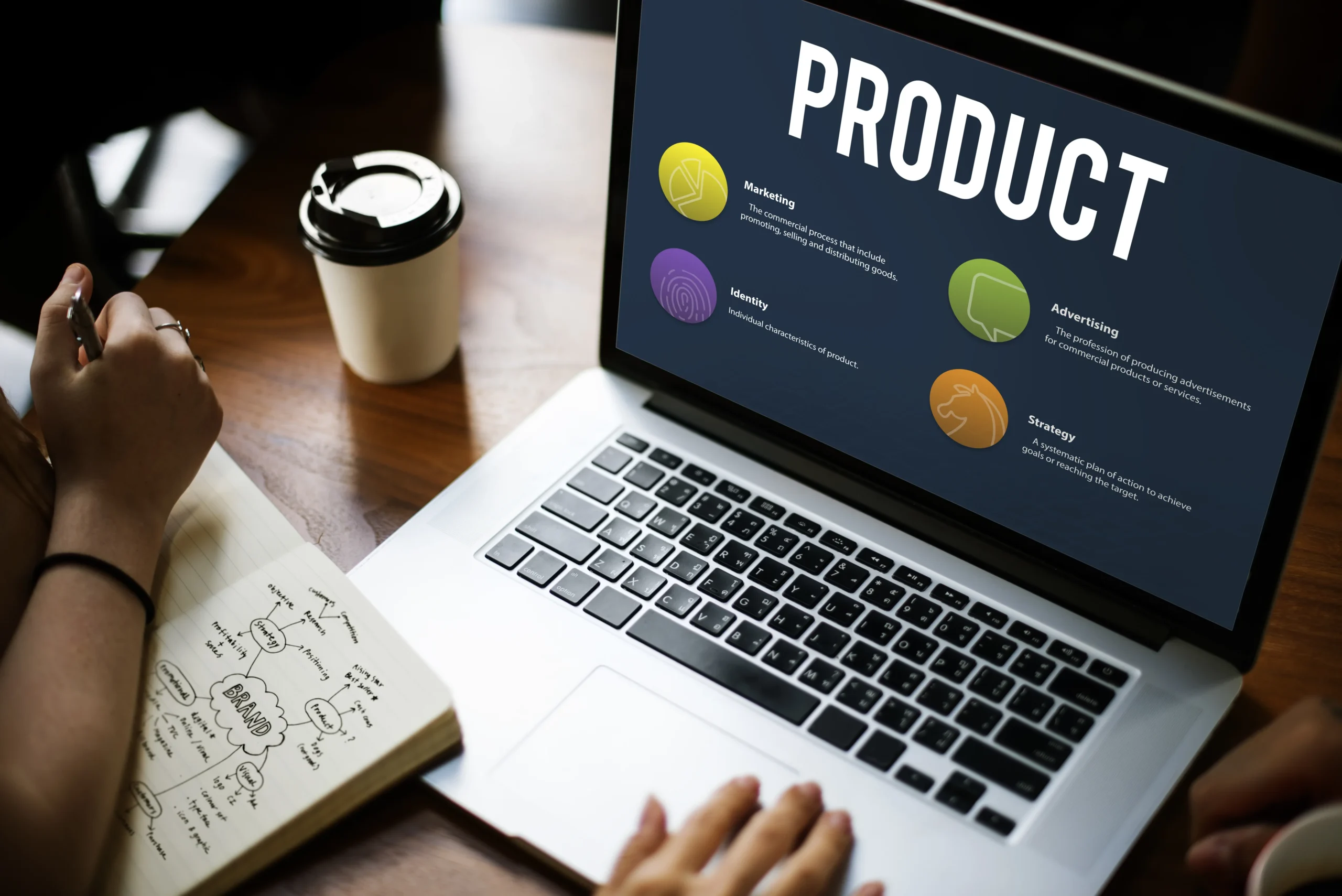
In simple terms, a product roadmap acts like a visual guide for product development. It connects business goals with customer needs and keeps everyone aligned.
Whether you run a startup, manage a SaaS platform, or lead an enterprise product team, understanding what a product roadmap is can improve planning, communication, and decision-making.
Modern businesses use product roadmaps to coordinate teams, prioritize features, manage stakeholder expectations, and deliver better customer experiences faster.
Why Product Roadmaps Matter
Without a roadmap, product development can quickly become chaotic. Teams may build features without clear priorities, deadlines can shift constantly, and stakeholders may lose confidence.
A product roadmap solves these problems by providing structure and transparency.
Here’s why roadmaps are important:
- Align teams around shared goals
- Prioritize high-impact features
- Improve communication with stakeholders
- Help manage resources effectively
- Track long-term product strategy
- Reduce confusion during development
Companies like Microsoft, Atlassian, and Spotify rely heavily on roadmap planning to coordinate large product ecosystems.
How a Product Roadmap Works
A product roadmap usually shows:
- Product goals
- Key initiatives
- Planned features
- Timelines
- Priorities
- Milestones
- Dependencies
It helps answer critical questions such as:
- What problems are we solving?
- Which features come first?
- What are the business priorities?
- When will updates launch?
- How does development support company goals?
Roadmaps are typically created by product managers but involve collaboration with developers, designers, marketers, sales teams, and executives.
Key Components of a Product Roadmap
Understanding the structure of a roadmap is essential if you want to build one successfully.
Product Vision
The product vision explains the long-term purpose of the product.
Example:
“Create the easiest project management platform for remote teams.”
This vision guides every roadmap decision.
Goals and Objectives
Goals define measurable outcomes that the team wants to achieve.
Examples include:
- Increase user retention by 20%
- Reduce onboarding time
- Improve mobile app performance
- Launch AI-powered search features
Features and Initiatives
These are the actual improvements or projects planned for the product.
Examples:
- Dark mode support
- New analytics dashboard
- Subscription billing updates
- Team collaboration tools
Timeline
Most product roadmaps include estimated timeframes.
These may be:
- Quarterly
- Monthly
- Yearly
- Sprint-based
Modern agile teams often avoid exact launch dates because priorities can change quickly.
Priorities
Roadmaps help teams focus on the most valuable work first.
Prioritization may depend on:
- Customer demand
- Revenue impact
- Technical complexity
- Competitive pressure
- Strategic goals
Types of Product Roadmaps
Different businesses use different roadmap styles depending on their audience and workflow.
Strategic Product Roadmap
This roadmap focuses on long-term goals and business strategy.
It is commonly shared with executives and investors.
Best For:
- Leadership teams
- Business planning
- Company-wide alignment
Agile Product Roadmap
An agile roadmap is flexible and adapts to changing priorities.
Instead of fixed deadlines, it focuses on themes and outcomes.
Best For:
- Agile development teams
- SaaS companies
- Fast-moving startups
Feature-Based Roadmap
This roadmap organizes work around upcoming features.
It clearly shows what functionality is being developed.
Best For:
- Customer communication
- Marketing coordination
- Product launch planning
Technology Roadmap
A technology roadmap focuses on infrastructure, backend systems, and technical improvements.
Examples include:
- Cloud migration
- Security upgrades
- API improvements
- Database scaling
Best For:
- Engineering teams
- CTOs
- Technical planning
Portfolio Roadmap
Large organizations often manage multiple products simultaneously.
A portfolio roadmap gives a high-level overview of all product initiatives across departments.
Best For:
- Enterprise companies
- Product executives
- Multi-product businesses
What Is a Product Roadmap in Agile Development?
Many people search for what a product roadmap is because they want to understand agile workflows.
In agile product management, roadmaps are not rigid documents. They evolve continuously based on feedback, analytics, and market conditions.
Agile roadmaps focus more on:
- Outcomes instead of deadlines
- Customer problems instead of feature lists
- Flexibility instead of fixed plans
For example, a team may prioritize improving “user engagement” instead of committing to a specific feature months in advance.
This approach helps teams adapt quickly while maintaining strategic direction.
Product Roadmap vs Product Backlog
People often confuse these two concepts.
Here’s the difference:
| Product Roadmap | Product Backlog |
|---|---|
| High-level strategy | Detailed task list |
| Long-term planning | Short-term execution |
| Shared with stakeholders | Used mainly by development teams |
| Focuses on goals | Focuses on tasks |
| Visual and strategic | Operational and detailed |
The roadmap defines direction, while the backlog contains the actionable work items.
How to Create a Product Roadmap
Creating an effective roadmap requires strategic thinking and collaboration.
1. Define Your Product Vision
Start by identifying the core purpose of the product.
Ask:
- What problem are we solving?
- Who are our users?
- What value do we provide?
A strong vision keeps roadmap decisions focused.
2. Understand Customer Needs
Use multiple sources of feedback:
- Surveys
- Customer interviews
- Support tickets
- Product analytics
- User testing
- Sales feedback
Customer insights should drive roadmap priorities.
3. Set Clear Goals
Your goals should be measurable and realistic.
Examples:
- Improve app speed by 40%
- Increase free-to-paid conversions
- Reduce churn rate
- Expand into new markets
4. Prioritize Features
Not every idea deserves immediate development.
Popular prioritization frameworks include:
RICE Framework
Measures:
- Reach
- Impact
- Confidence
- Effort
MoSCoW Method
Classifies work into:
- Must-have
- Should-have
- Could-have
- Won’t-have
5. Choose a Roadmap Format
Your roadmap format depends on your audience.
Examples include:
- Timeline roadmap
- Kanban roadmap
- Theme-based roadmap
- Now-next-later roadmap
Modern product teams increasingly prefer flexible roadmap styles over rigid calendars.
6. Share and Update Regularly
A product roadmap is not a static document.
Update it regularly based on:
- Market changes
- Customer feedback
- Development progress
- Business goals
Frequent updates improve transparency and trust.
Best Product Roadmap Tools in 2026
Several tools help teams create and manage roadmaps efficiently.
Popular Product Roadmap Software
Jira
Widely used for agile development and sprint planning.
Productboard
Excellent for customer-driven product planning.
Aha!
Known for advanced roadmap visualization.
Notion
Flexible for startups and smaller teams.
Trello
Simple roadmap organization for lightweight workflows.
The best tool depends on team size, workflow complexity, and collaboration needs.
Common Product Roadmap Mistakes
Even experienced teams make roadmap mistakes.
Overcommitting to Deadlines
Strict deadlines can create unrealistic expectations.
Instead, focus on outcomes and flexibility.
Ignoring Customer Feedback
Roadmaps should solve real customer problems.
Ignoring feedback often leads to wasted development time.
Adding Too Many Features
Feature overload can confuse users and delay releases.
Prioritize quality over quantity.
Failing to Update the Roadmap
An outdated roadmap quickly loses value.
Regular reviews keep teams aligned with changing priorities.
Real-World Product Roadmap Example
Imagine a fitness app company planning its 2026 roadmap.
Quarter 1
- Improve onboarding experience
- Launch smartwatch integration
Quarter 2
- Add AI workout recommendations
- Improve app performance
Quarter 3
- Introduce community challenges
- Expand language support
Quarter 4
- Launch premium coaching subscriptions
- Improve analytics dashboard
This roadmap connects customer needs, business growth, and technical improvements into one strategic plan.
Benefits of Using a Product Roadmap
A well-designed roadmap offers long-term advantages.
Better Team Alignment
Everyone understands priorities and goals.
Improved Stakeholder Communication
Executives, investors, and customers gain visibility into product direction.
Smarter Resource Allocation
Teams can focus on high-impact initiatives.
Faster Decision-Making
Clear priorities reduce delays and confusion.
Stronger Product Strategy
Roadmaps connect everyday work to long-term business objectives.
Future Trends in Product Roadmapping
Product management continues to evolve rapidly in 2026.
Key trends include:
AI-Assisted Roadmapping
AI tools now help analyze customer feedback, predict priorities, and suggest roadmap improvements.
Outcome-Driven Planning
Companies increasingly prioritize measurable business outcomes over feature delivery.
Customer-Centric Development
Modern roadmaps focus heavily on user experience and real customer pain points.
Cross-Functional Collaboration
Roadmaps now involve marketing, customer success, engineering, and sales teams more closely than ever.
Frequently Asked Questions
What is a product roadmap used for?
A product roadmap is used to communicate product strategy, priorities, timelines, and goals across teams and stakeholders.
Who creates a product roadmap?
Product managers usually create roadmaps, but they collaborate with developers, designers, executives, marketers, and customers.
Is a product roadmap the same as a project plan?
No. A roadmap focuses on strategy and direction, while a project plan focuses on execution details and deadlines.
How often should a product roadmap be updated?
Most teams review and update their roadmap monthly or quarterly, depending on product complexity and market changes.
What makes a good product roadmap?
A good roadmap is:
- Clear
- Flexible
- Goal-oriented
- Customer-focused
- Easy to understand
Conclusion
Understanding what a product roadmap is is essential for modern businesses that want to build successful products efficiently.
A roadmap is more than a feature list. It is a strategic communication tool that connects vision, customer needs, business goals, and development priorities.
The best product roadmaps remain flexible, customer-focused, and outcome-driven. They help teams stay aligned while adapting to changing markets and user expectations.
Whether you manage a startup app or a global software platform, investing time in roadmap planning can improve collaboration, speed up decision-making, and create better products for your users.
