
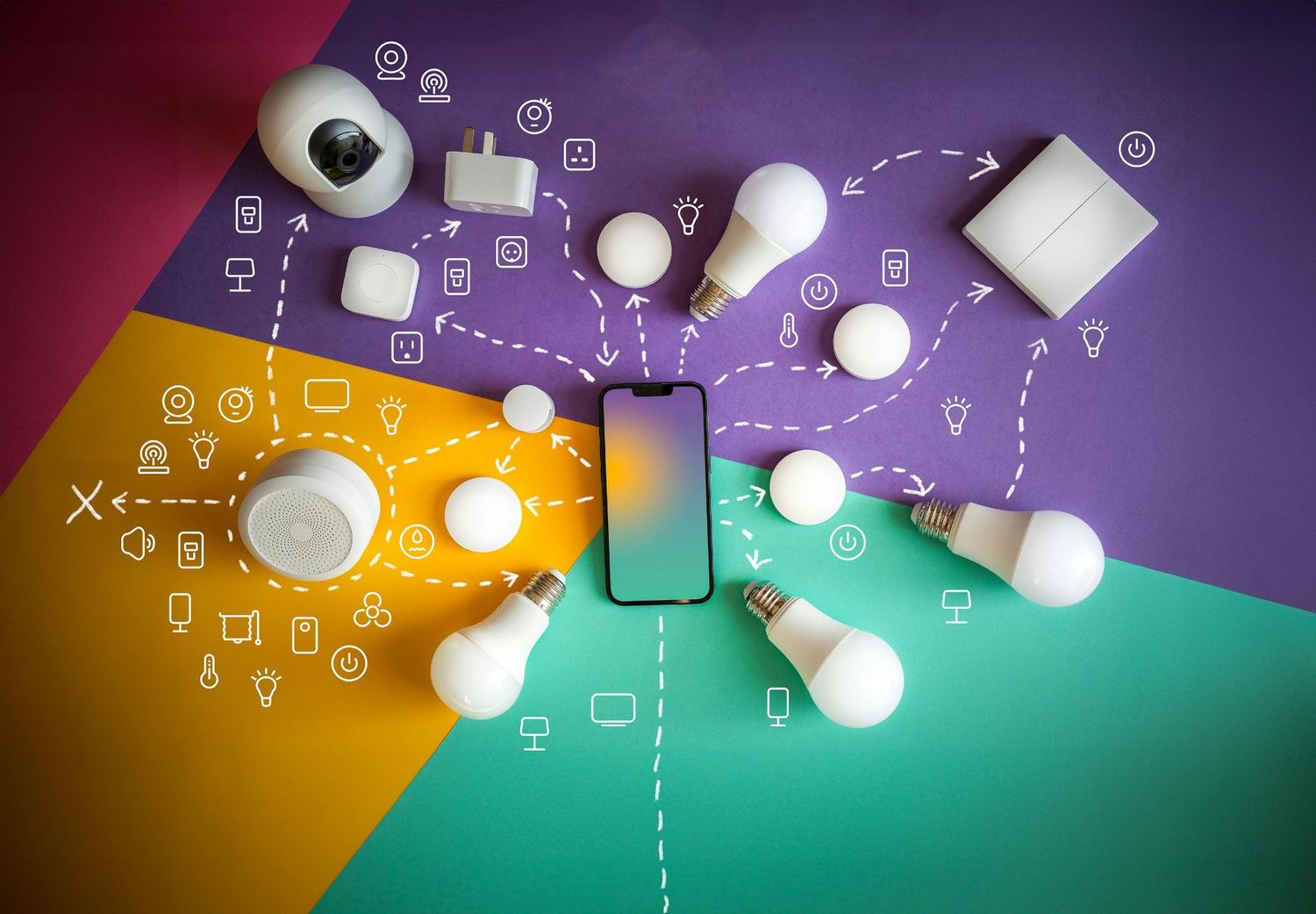
Smart homes are no longer just a futuristic idea. They’re becoming a practical part of everyday life. From controlling your lights with your voice to checking your front door from your phone, smart home technology is changing how we live.
But getting started can feel overwhelming. There are so many devices, apps, and systems to choose from. It’s easy to wonder where to begin or what actually matters.
That’s exactly where this Smart Home Technology Guide: Everything You Need to Know Before Getting Started comes in.
In this guide, you’ll learn what smart home technology really is, how it works, and which devices are worth your attention. You’ll also get a simple, step-by-step path to building your own setup without wasting money or time.
Whether you want more convenience, better security, or lower energy bills, this guide will help you make smart decisions from day one.
What Is Smart Home Technology?
Smart home technology connects everyday devices to the internet so you can control them remotely or automate tasks. It turns ordinary homes into responsive, efficient spaces. From lighting to security, systems work together to improve comfort and control. In this smart home technology guide, you’ll learn how these systems function and why they matter.
Definition and Core Concept
Smart home technology refers to devices that connect through the internet and communicate with each other. These devices can be controlled using a smartphone app, voice commands, or automation rules. For example, a smart bulb can turn on when you enter a room. A thermostat can adjust itself based on your habits.
The core idea is simple. Make your home more responsive and less dependent on manual control. Instead of switching things on and off yourself, your home does it for you. This saves time and improves convenience.
Most systems are designed to be user-friendly. You don’t need technical expertise to get started. That’s what makes smart home technology accessible to almost everyone today.
How Smart Homes Work
Smart homes rely on three main elements. Devices, connectivity, and control systems. Devices include things like lights, locks, and cameras. Connectivity comes from Wi-Fi or other wireless protocols. Control happens through apps or voice assistants.
Once connected, devices can send and receive data. For instance, a motion sensor can trigger a light to turn on. Everything works through a central system, even if there is no physical hub.
Cloud services also play a role. They allow remote access from anywhere. So even if you are away from home, you stay in control. This seamless interaction is what makes smart homes efficient and practical.
Key Components of a Smart Home
A smart home includes several key components that work together. First are the devices. These include sensors, smart plugs, cameras, and appliances. Each serves a specific function but connects to a larger system.
Second is connectivity. Wi-Fi is the most common option, but technologies like Zigbee or Z-Wave are also used. These ensure devices communicate smoothly.
Third is the control system. This could be a mobile app or a voice assistant. It acts as the command center of your setup. Together, these elements create a fully connected environment that is easy to manage.
Benefits of Smart Home Technology
Smart home technology offers more than just convenience. It improves how you interact with your living space. You can save energy, increase safety, and enjoy greater comfort. This section of the smart home technology guide highlights the most important benefits that make these systems worth considering.
Convenience and Automation
One of the biggest advantages is convenience. Smart devices automate daily tasks so you don’t have to think about them. For example, lights can turn on automatically when you enter a room. Coffee makers can start brewing in the morning without manual input.
You can also control everything from your phone. Even if you’re not at home, you can adjust settings instantly. This level of control makes life easier.
Automation also reduces repetitive tasks. Instead of adjusting things daily, you set them once. After that, your home follows your routine automatically. It’s simple, efficient, and time-saving.
Energy Efficiency and Cost Savings
Smart homes help reduce energy waste. Devices like smart thermostats learn your habits and adjust temperatures accordingly. This avoids unnecessary heating or cooling.
Lighting systems can turn off automatically when rooms are empty. Smart plugs can cut power to devices not in use. These small changes add up over time.
As a result, you may see lower electricity bills. You also reduce your environmental impact. It’s a practical way to save money while being more energy conscious. Over time, the savings can offset the cost of the devices.
Home Security and Safety
Security is another major benefit. Smart cameras, doorbells, and locks help you monitor your home in real time. You can receive alerts if unusual activity is detected.
For example, if someone approaches your door, you get notified instantly. You can even speak to visitors through your phone. This adds an extra layer of protection.
Safety devices also play a role. Smart smoke detectors and leak sensors warn you before problems get worse. These systems help prevent damage and give you peace of mind.
Accessibility and Comfort
Smart home technology improves comfort for everyone. It’s especially useful for older adults or people with limited mobility. Voice control allows users to manage devices without physical effort.
You can adjust lighting, temperature, or entertainment systems easily. Everything responds quickly and smoothly. This makes daily living more comfortable.
Customization is another benefit. You can create settings that match your preferences. Whether it’s dim lighting or a specific room temperature, your home adapts to you. That level of personalization makes a big difference.
Frequently Asked Questions (FAQs)
This section answers common questions beginners often have. It helps clear confusion and provides quick insights. In this smart home technology guide, these answers support better decision-making and improve understanding.
Is smart home technology worth it?
Yes, for most people it is worth it. Smart home technology offers convenience, better security, and energy savings. While there is an upfront cost, the long-term benefits often outweigh it.
You save time through automation. You also gain more control over your home. For many users, this improves daily life significantly.
It’s important to start small. This helps you understand the value before investing more. Over time, the benefits become more noticeable.
Can I install it myself?
Yes, most smart home devices are designed for easy installation. You don’t need professional help in most cases. Instructions are usually simple and clear.
Setup often involves connecting to Wi-Fi and using an app. This makes the process quick and straightforward.
However, more advanced systems may require assistance. For basic setups, DIY installation is usually enough.
Does it work without the internet?
Some smart devices can work without the internet, but functionality is limited. Basic controls may still work locally. However, remote access and automation often require a connection.
Cloud services enable full features. Without the internet, you lose some convenience.
It’s best to have a stable connection. This ensures your system works as intended.
Are smart homes safe from hacking?
Smart homes can be secure if managed properly. Using strong passwords and updating devices reduces risks. Security depends on how well you protect your system.
Choosing trusted brands also helps. They provide better protection and regular updates.
While no system is completely risk-free, proper precautions make smart homes very safe.
What’s the best system for beginners?
The best system depends on your preferences. Popular options include Alexa, Google Home, and Apple HomeKit. Each offers different features.
For beginners, ease of use is key. Choose a system that is simple and widely supported.
Starting with a common platform ensures better compatibility. It also makes it easier to expand your setup later.
Final Thoughts
Starting a smart home doesn’t have to be complicated. With the right approach, anyone can build a system that improves daily life. This smart home technology guide shows that simple steps lead to meaningful results. Focus on your needs, start small, and expand over time. With patience and planning, your home can become smarter, safer, and more efficient.
