
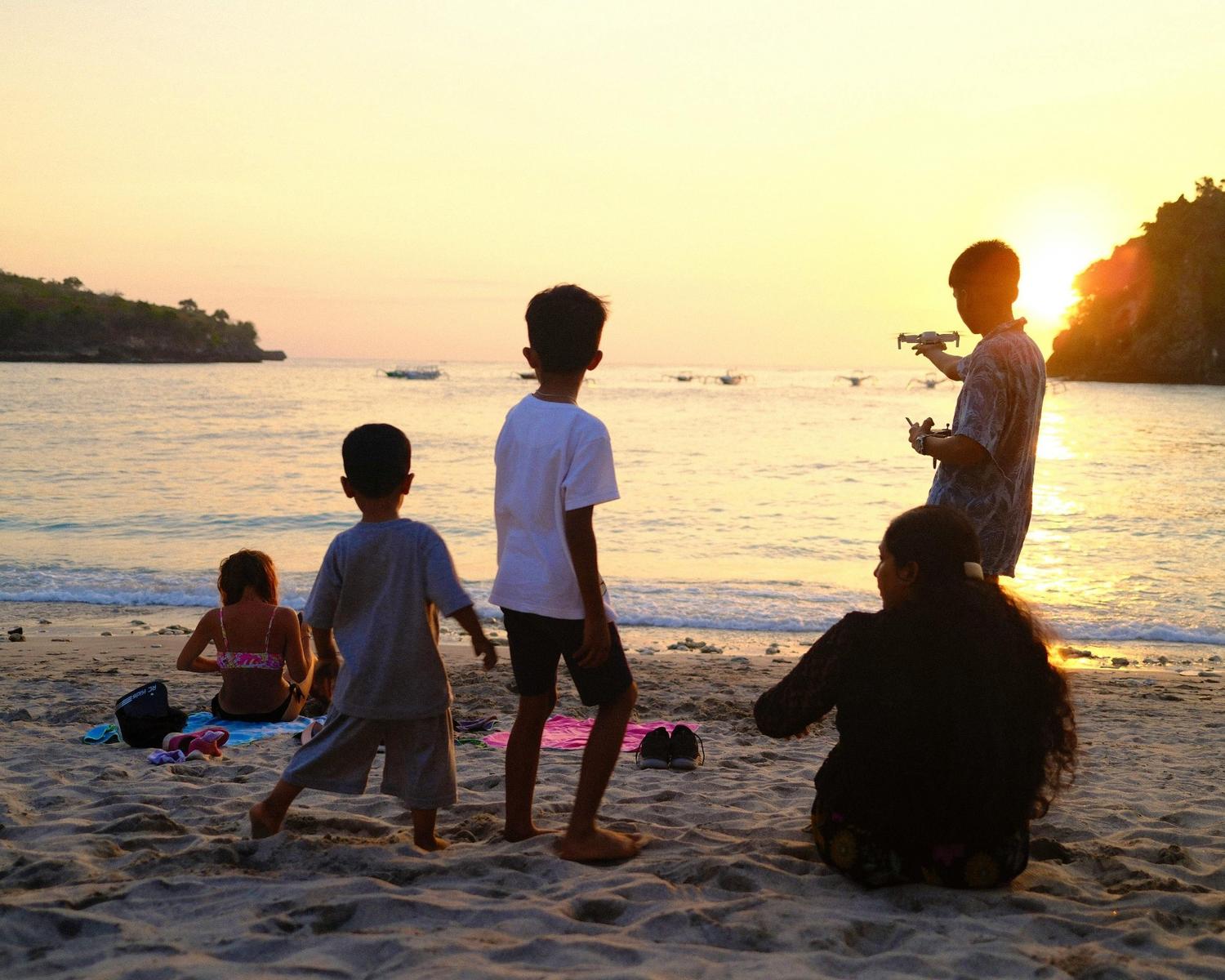
Family travel can create some of the best memories you’ll ever share with your kids. But let’s be honest — traveling with children is not always easy. Between packing, flight delays, changing routines, and keeping everyone happy, even a simple trip can feel exhausting before it begins.
The good news is that family travel in 2026 is becoming easier for parents who plan. From smarter travel apps to kid-friendly accommodations and flexible itineraries, there are now more ways than ever to reduce stress and enjoy the journey together.
Whether you’re planning your first trip with a toddler, preparing for a long-haul flight with teenagers, or simply looking for ways to make vacations smoother, the right strategies can make a huge difference.
In this guide, you’ll discover 15 practical and stress-free family travel tips that actually work for real parents. These ideas will help you stay organized, avoid common mistakes, save money, and create trips your whole family will enjoy.
Why Family Travel Requires a Different Approach
Traveling with kids changes almost every part of trip planning. Parents have to think about routines, meals, safety, entertainment, and rest breaks at the same time. What works for solo travelers may not work for families with young children. A smoother experience usually comes from realistic planning and flexibility. When parents prepare for common challenges ahead of time, trips become more enjoyable and less stressful for everyone involved.
The biggest differences between solo travel and family travel
Traveling alone gives people more freedom and flexibility. Parents, however, often need to plan around nap schedules, meal times, and energy levels. Children also need more breaks during long sightseeing days. Even simple tasks like airport security or boarding a plane can take extra time with kids.
Another major difference is decision-making. Parents usually choose activities that balance fun with comfort and safety. Instead of packed schedules, many families now prefer slower trips with fewer activities each day. This approach helps avoid exhaustion and gives children time to enjoy the experience. A relaxed pace also creates fewer stressful moments during the trip.
Common stress triggers for parents during trips
Many travel problems begin with unrealistic expectations. Parents sometimes try to fit too many activities into one day. Long lines, skipped naps, and hunger can quickly lead to frustration for both children and adults. Transportation delays can also create anxiety when families are already tired.
Packing is another common stress point. Forgotten medications, missing chargers, or not having snacks nearby can make situations harder than they need to be. Parents also worry about safety, especially in crowded airports or unfamiliar destinations. Planning for these situations helps reduce pressure during the trip. Small preparations often prevent larger problems later.
How preparation reduces travel anxiety for the whole family
Preparation gives families more confidence before leaving home. Simple planning steps can reduce uncertainty and make travel days smoother. Parents who organize documents, pack essentials early, and research destinations usually feel calmer during the trip.
Children also respond well to preparation. Talking about the trip ahead of time helps kids understand what to expect. Showing them pictures of hotels, airports, or attractions can reduce fear of unfamiliar places. Creating a flexible schedule also helps families stay relaxed if plans change unexpectedly. Good preparation does not remove every challenge, but it makes problems easier to manage when they happen.
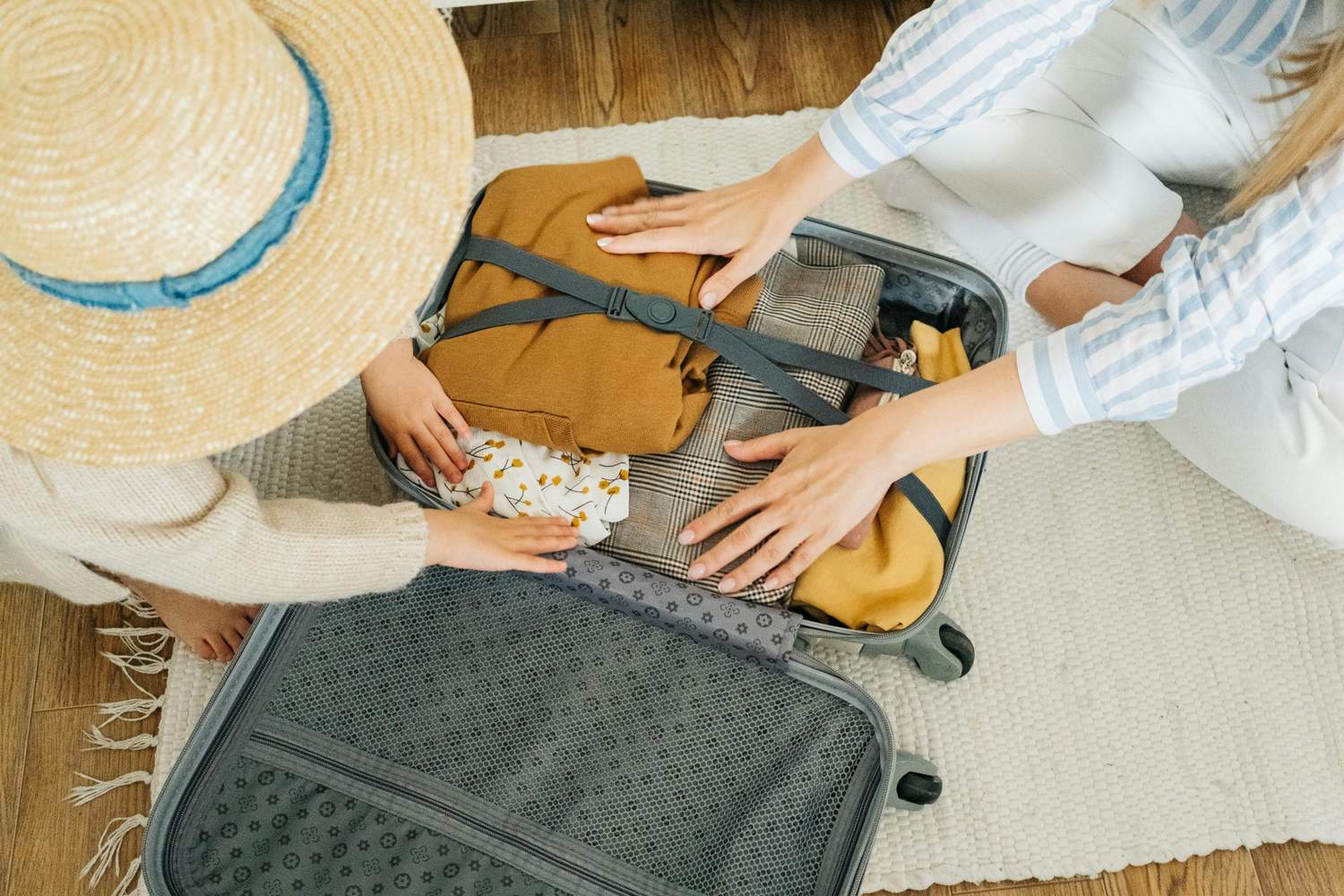
Tip #1 — Choose Kid-Friendly Destinations
The destination can shape the entire travel experience. Some places naturally work better for families because they offer shorter travel times, safe environments, and activities for different age groups. Choosing the right location reduces stress before the trip even begins. Parents should focus on convenience and comfort instead of trying to visit too many places at once.
What makes a destination family-friendly
A family-friendly destination usually offers convenience, safety, and activities for multiple age groups. Easy transportation, nearby restaurants, and access to medical services also make trips less stressful for parents. Hotels with pools, parks, or play areas often improve the overall experience for children.
The weather also matters more than many people realize. Extremely hot or cold conditions can make sightseeing difficult with younger kids. Many parents now choose destinations with walkable areas and shorter distances between attractions. This reduces transportation stress and allows children to stay comfortable during the day. Simple logistics often matter more than luxury when traveling with kids.
Best destination types for toddlers, school-age kids, and teens
Toddlers usually do best in quiet destinations with open spaces and flexible schedules. Beach towns, nature resorts, and family-friendly hotels often work well because parents can slow down and stay close to accommodations when needed.
School-age children often enjoy destinations with interactive activities. Zoos, museums, amusement parks, and outdoor adventures can keep them engaged throughout the trip. Teenagers may prefer destinations that offer independence, shopping, technology access, or exciting experiences like water sports or cultural tours. Matching the destination to the children’s interests helps reduce boredom and complaints during travel days.
Why shorter travel times often work better for families
Long travel days can quickly exhaust children and parents. Flights with multiple connections, long road trips, or overnight transportation often increase stress levels before the vacation even begins. Younger children especially struggle with extended waiting times.
Many parents now prefer closer destinations that require less travel time. Shorter trips often mean fewer disruptions to routines and easier recovery from delays. Families can also spend more time enjoying the destination instead of managing transportation problems. A nearby destination with fewer complications often creates a better experience than a complicated international itinerary packed with constant movement.
Tip #2 — Plan Flights Around Your Kids’ Schedules
Flight timing can affect mood, energy, and sleep during the trip. Parents who choose flights carefully often experience fewer meltdowns and smoother travel days. While perfect timing is not always possible, small scheduling choices can make a noticeable difference. Planning flights around children’s natural routines usually creates a calmer experience for the entire family.
Best flight times for young children
Morning flights are often easier for families with younger children. Airports are usually less crowded early in the day, and delays happen less frequently compared to evening departures. Children also tend to be more rested and cooperative after a full night of sleep.
Some parents prefer flights during nap times because children may sleep through part of the journey. However, every child reacts differently to travel schedules. Parents should consider their child’s natural sleep habits before booking tickets. Keeping routines as close to normal as possible often helps children adjust more comfortably during travel days.
Direct flights vs. layovers for family travel
Direct flights usually reduce stress because families avoid rushing between gates or dealing with missed connections. Fewer transitions also mean less unpacking, repacking, and waiting. This becomes especially important when traveling with strollers, car seats, or multiple bags.
Layovers can sometimes save money, but they often create additional pressure for parents with young children. Long waits at airports can lead to boredom and frustration. If a layover is necessary, choosing airports with family lounges or play areas can help make the experience easier. In many cases, paying slightly more for a direct flight is worth the convenience.
How to handle delays and long airport waits
Delays are frustrating, but preparation helps families manage them better. Parents should always carry snacks, water, chargers, and entertainment in their carry-on bags. Having familiar comfort items nearby can also help younger children stay calm during unexpected waiting times.
Airports have become more family-friendly in recent years. Many now offer children’s play zones, nursing rooms, and quiet spaces. Parents can use these areas to reduce stress and give kids a chance to move around before flights. Staying flexible and calm also influences children’s behavior. Kids often react to the emotions they see from adults around them.
Tip #3 — Book Family-Friendly Accommodations
Where families stay affects comfort, sleep quality, and daily routines during a trip. A well-chosen accommodation can make travel easier, while the wrong choice can create unnecessary stress. Parents should focus on practical features that support children’s needs. Convenience often matters more than luxury when selecting places to stay.
Hotels vs. vacation rentals for families
Hotels offer convenience because they usually provide housekeeping, room service, and on-site amenities. Many family-friendly hotels also include pools, breakfast options, and childcare services that make vacations easier for parents.
Vacation rentals, however, give families more space and flexibility. Kitchens allow parents to prepare snacks or simple meals, which can save money and support picky eaters. Separate bedrooms also help maintain sleep schedules for younger children. The best option depends on the family’s travel style, trip length, and children’s ages. Many parents prefer rentals for longer stays and hotels for shorter city trips.
Essential amenities parents should look for
Parents should focus on features that improve comfort and reduce daily stress. Cribs, kitchenettes, laundry access, elevators, and blackout curtains can make a major difference during family trips. Reliable Wi-Fi is also important for entertainment and communication.
Location matters as well. Staying near attractions or public transportation reduces long travel times each day. Parents should also check whether grocery stores, pharmacies, or restaurants are nearby. Reading recent reviews from other families often provides useful information that hotel descriptions may not mention. Small details can strongly affect the overall travel experience.
Why location matters more than luxury
A beautiful hotel loses value if families spend hours commuting to attractions. Parents often benefit more from staying close to activities instead of choosing luxury properties farther away. Shorter transportation times mean less exhaustion for children and more flexibility during the day.
Central locations also make it easier to return for naps, breaks, or forgotten items. This becomes especially helpful with toddlers and younger children. Families usually enjoy trips more when daily logistics feel simple and manageable. Convenience reduces stress and creates more time for relaxation and shared experiences together.
