
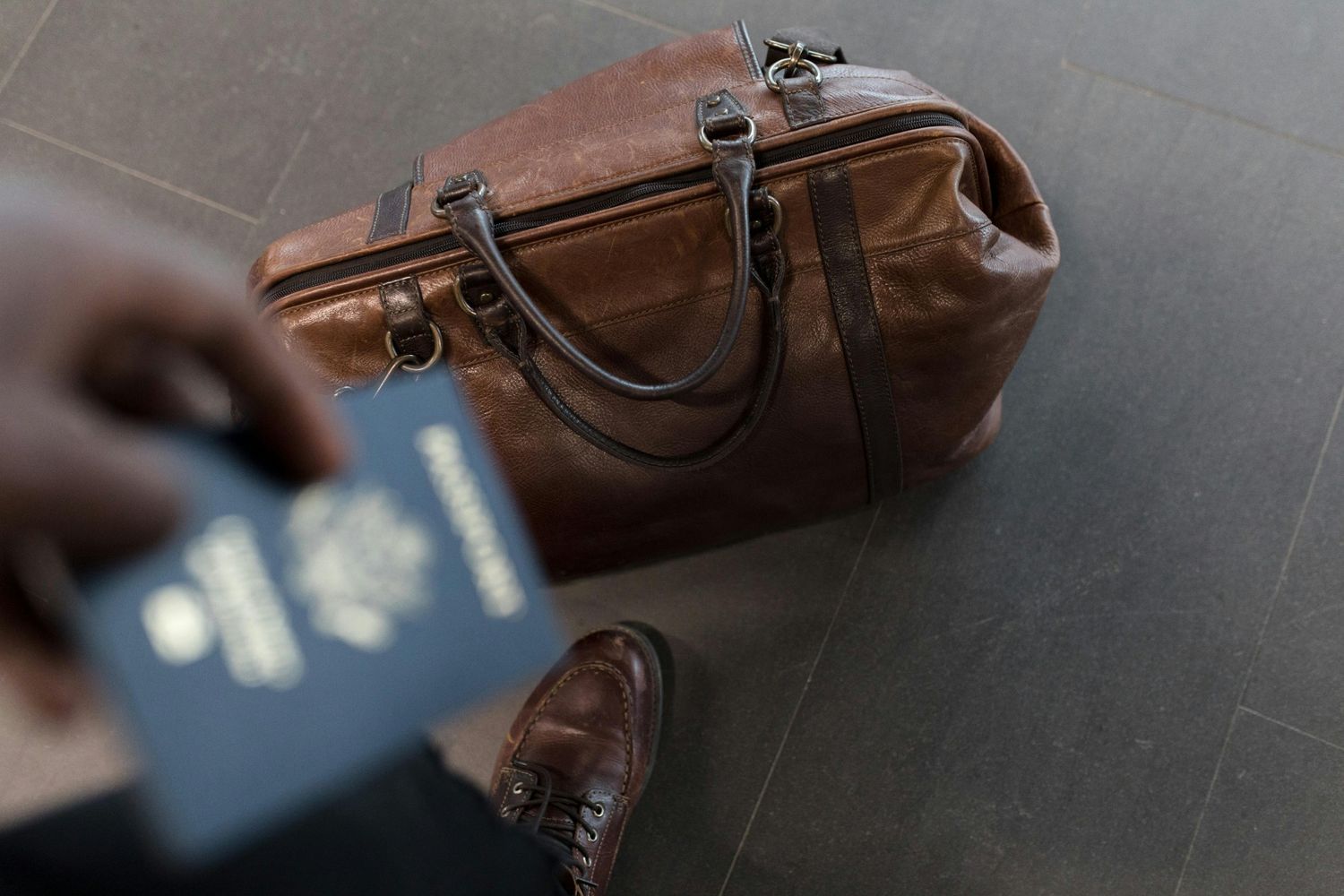
Traveling with the best carry-on luggage can save time, reduce stress, and help you avoid checked baggage fees. Whether you’re flying for business, taking a weekend getaway, or heading overseas, the right carry-on makes airport travel smoother and more efficient.
The challenge is that there are hundreds of options available. Some are lightweight but fragile. Others are durable but heavy. Many guides simply list products without explaining what actually matters.
This guide goes deeper. You’ll learn how to choose the best carry-on luggage based on your travel style, airline requirements, budget, and packing habits. You’ll also discover the latest luggage trends and expert recommendations for 2026.
Why Choosing the Best Carry-On Luggage Matters
More travelers are avoiding checked baggage than ever before. Airlines continue to tighten baggage policies, and lost luggage remains a common frustration worldwide. Many travel experts now recommend packing everything into a carry-on whenever possible.
The benefits include:
- Faster airport experience
- No baggage claim wait
- Lower airline fees
- Reduced risk of lost luggage
- Greater flexibility during travel
A high-quality carry-on can last for years and make every trip easier.
What Makes the Best Carry-On Luggage?
Many top-ranking articles focus on brands, but they often overlook the features that truly impact real-world travel. Testing from travel experts consistently shows that wheel quality, durability, organization, and airline compatibility matter most.
Size Compatibility
Before buying any suitcase, check airline restrictions.
Most airlines accept carry-ons around:
- 22 x 14 x 9 inches (56 x 36 x 23 cm)
- Weight limits vary by airline
- International carriers often have stricter requirements
Always verify the airlines you fly most frequently. Airline rules differ significantly across regions.
Durable Materials
The best carry-on luggage usually comes in two material types:
Hardside luggage
- Better protection
- Modern appearance
- Water resistant
- Ideal for electronics and fragile items
Softside luggage
- More flexible packing
- Exterior pockets
- Easier overhead bin fitting
- Often lighter
Neither is universally better. Your travel style determines the right choice.
Smooth Spinner Wheels
Wheels are often the first component to fail.
Look for:
- 360-degree spinner wheels
- Double-wheel systems
- Reinforced wheel housing
Frequent travelers consistently rank wheel quality as one of the most important buying factors.
Lightweight Construction
A lighter suitcase gives you more packing capacity.
Many modern carry-ons weigh between:
- 5–7 pounds (2.3–3.2 kg) for lightweight models
- 7–10 pounds (3.2–4.5 kg) for premium designs
If you frequently fly internationally, weight becomes especially important.
Quality Handles and Zippers
Strong telescoping handles and durable zippers significantly increase luggage lifespan.
Look for:
- Aluminum handle systems
- Reinforced corners
- Self-repairing zippers
- TSA-approved locks
Best Carry-On Luggage by Traveler Type
The ideal carry-on depends on how you travel.
Best Carry-On Luggage for Frequent Flyers
Frequent travelers need durability above all else.
Key priorities:
- Long warranty coverage
- Strong wheel systems
- Compression technology
- Premium construction
Popular frequent-flyer favorites include Travelpro, Briggs & Riley, and TUMI due to their proven durability and business-focused designs.
Best Carry-On Luggage for Business Travel
Business travelers benefit from:
- Laptop compartments
- Wrinkle-resistant garment sections
- Professional appearance
- Organized interior layouts
Look for models with quick-access pockets for security checkpoints and travel documents.
Best Carry-On Luggage for International Travel
International travel requires extra attention to size and weight restrictions.
Choose luggage that offers:
- Compact dimensions
- Lightweight design
- TSA-approved locks
- Expandable capacity
Always verify international airline carry-on limits before departure.
Best Carry-On Luggage for Budget Travelers
You don’t need to spend a fortune.
Affordable luggage should still provide:
- Durable wheels
- Expandability
- Lightweight construction
- Reliable zippers
Many budget-friendly options now offer features previously found only in premium luggage.
Hardside vs Softside Carry-On Luggage
One of the most common questions travelers ask is whether hardside or softside luggage is better.
Hardside Carry-On Advantages
- Better impact protection
- Sleek appearance
- Easier cleaning
- Improved weather resistance
Best for:
- Electronics
- Fragile items
- Frequent airport handling
Softside Carry-On Advantages
- More flexible packing
- Extra external pockets
- Easier storage
- Often lighter
Best for:
- Business travel
- Weekend trips
- Travelers needing quick access to items
Travel experts continue to recommend both options, depending on the traveler’s needs rather than declaring one universally superior.
Essential Features Travelers Often Overlook
Many luggage reviews focus on appearance while ignoring practical details.
Compression Systems
Compression panels help maximize packing space.
Benefits include:
- Reduced clothing movement
- More efficient packing
- Better organization
Expandability
Expandable luggage provides flexibility for return trips and souvenirs.
However, expanded bags may exceed airline size limits.
Warranty Coverage
A strong warranty often signals manufacturer confidence.
Premium luggage brands may offer:
- Lifetime repair programs
- Extended wheel replacement
- Handle repair services
Interior Organization
The best carry-on luggage should make packing easier.
Useful features include:
- Compression straps
- Mesh dividers
- Shoe compartments
- Laundry sections
Carry-On Packing Tips That Save Space
Even the best suitcase won’t help if packed inefficiently.
Roll Instead of Fold
Rolling clothes typically:
- Saves space
- Reduces wrinkles
- Improves visibility
Use Packing Cubes
Packing cubes help:
- Organize clothing categories
- Compress items
- Simplify unpacking
Wear Your Bulkiest Items
Heavy jackets and boots take up valuable luggage space.
Wear them during travel whenever possible.
Follow the 3-1-1 Liquid Rule
Keep liquids compliant with airport security regulations to avoid delays.
Common Carry-On Mistakes to Avoid
Many travelers make the same luggage mistakes repeatedly.
Avoid:
- Buying based only on appearance
- Ignoring airline restrictions
- Overpacking heavy items
- Choosing poor-quality wheels
- Prioritizing unnecessary smart features
Some experienced travelers even recommend skipping built-in charging systems entirely and carrying a separate power bank instead.
Emerging Carry-On Luggage Trends for 2026
The luggage market continues to evolve.
Sustainable Materials
Manufacturers increasingly use:
- Recycled plastics
- Recycled fabrics
- Eco-friendly packaging
Lighter Polycarbonate Shells
Modern hardshell luggage is becoming:
- Stronger
- Lighter
- More scratch-resistant
Improved Organization Systems
New designs focus on:
- Modular compartments
- Better compression systems
- Dedicated tech storage
Repairability
Consumers increasingly prioritize luggage that can be repaired rather than replaced. Brands emphasizing long-term durability and service are gaining popularity.
Frequently Asked Questions
What is the best carry-on luggage size?
Most airlines accept luggage measuring approximately 22 x 14 x 9 inches. Always check your airline’s specific rules before flying.
Is hardside or softside luggage better?
Neither is universally better. Hardside luggage offers more protection, while softside luggage provides greater flexibility and external storage.
How much should a quality carry-on cost?
Good carry-on luggage generally ranges from $100 to $400. Premium models can exceed $700, depending on materials and warranty coverage.
What is the lightest type of carry-on luggage?
Softside luggage and lightweight polycarbonate hardshell luggage are typically the lightest options.
Are spinner wheels worth it?
Yes. Four-wheel spinner systems provide easier maneuverability in airports compared to traditional two-wheel designs.
Can a carry-on fit enough clothes for a week?
Yes. With efficient packing techniques, many travelers comfortably pack for 5–7 days using only carry-on luggage.
Conclusion
Finding the best carry-on luggage isn’t about choosing the most expensive suitcase. It’s about selecting a bag that matches your travel habits, airline requirements, and packing style.
Focus on the fundamentals: durability, weight, wheel quality, organization, and airline compatibility. Whether you prefer a sleek hardshell case or a flexible softside design, investing in the right carry-on can improve every trip you take.
Before making a purchase, compare airline restrictions, evaluate your typical travel needs, and prioritize long-term reliability over flashy features. A well-chosen carry-on will save you time, money, and frustration for years to come.
