
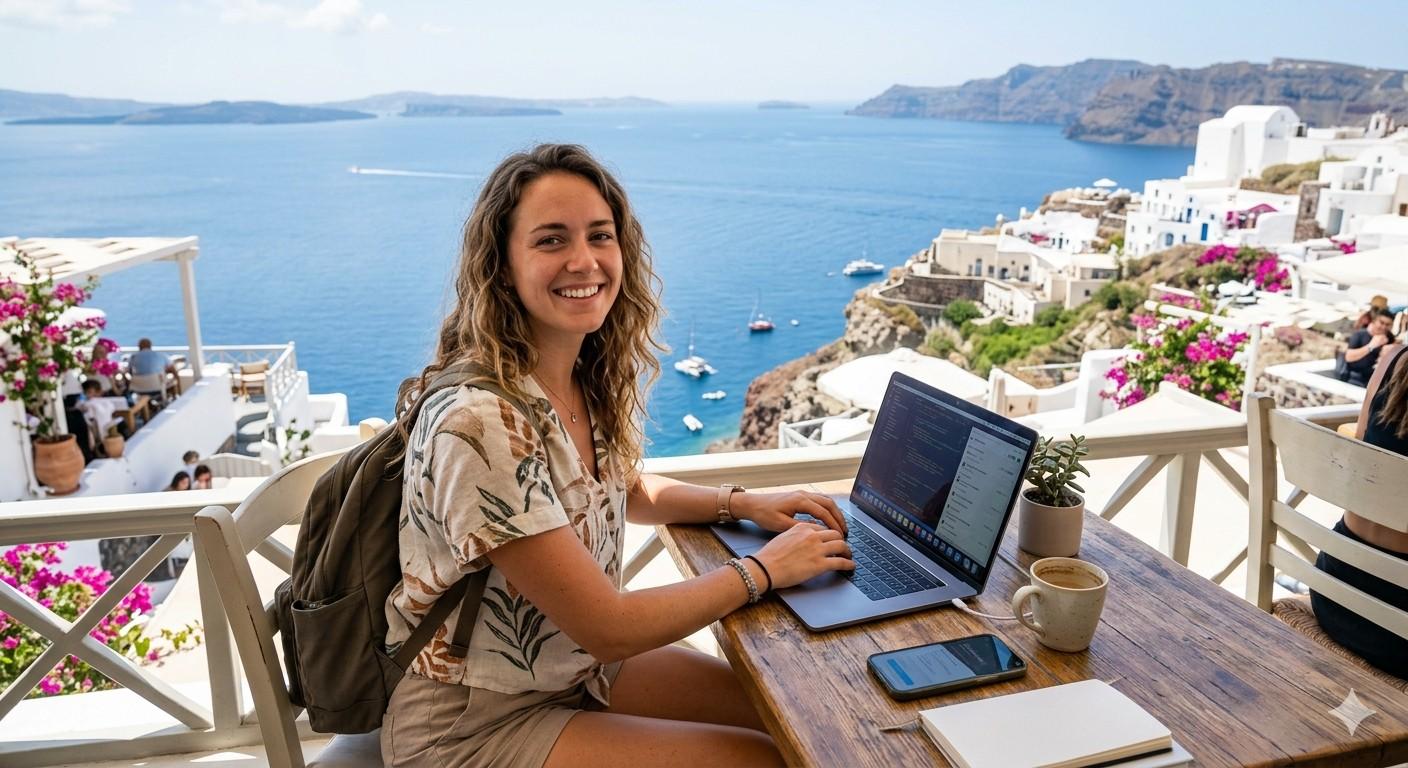
The digital nomad lifestyle has transformed the way people live and work. Instead of staying tied to one office or city, digital nomads use technology to work remotely while exploring different countries, cultures, and experiences.
In 2026, this lifestyle is no longer limited to freelancers or tech experts. Remote employees, online business owners, content creators, marketers, consultants, and even teachers are choosing location-independent living.
But while social media often shows beach laptops and luxury travel, the reality is more complex. A successful digital nomad lifestyle requires planning, discipline, financial management, and smart work habits.
This guide explains everything you need to know, from jobs and visas to productivity, budgeting, health, and long-term sustainability.
What Is the Digital Nomad Lifestyle?
The digital nomad lifestyle means earning income online while living in different locations instead of staying permanently in one place.
Digital nomads rely on:
- Remote jobs
- Freelancing
- Online businesses
- Passive income streams
- Remote-friendly technology
Most digital nomads work from:
- Coworking spaces
- Cafes
- Apartments
- Hotels
- Coliving communities
Some travel constantly, while others stay in one country for several months before moving again.
Why the Digital Nomad Lifestyle Is Growing Fast
Several global trends have accelerated remote living:
- Companies now hire remote workers worldwide
- Better internet access across developing countries
- Affordable international travel
- Growth of freelance platforms
- Digital banking and online payments
- Remote collaboration tools like Slack and Zoom
Many professionals also want better work-life balance, freedom, and lower living costs.
Benefits of the Digital Nomad Lifestyle
The digital nomad lifestyle offers more than travel. It changes how people approach work, money, and personal freedom.
Freedom to Work From Anywhere
One of the biggest advantages is location independence. You can work from:
- Thailand
- Portugal
- Bali
- Mexico
- Dubai
- Georgia
- Vietnam
This flexibility allows people to design their ideal lifestyle.
Lower Cost of Living
Many digital nomads move from expensive cities to affordable countries.
For example:
- Renting an apartment in Southeast Asia can cost less than a small room in major Western cities.
- Affordable transportation and food reduce monthly expenses.
This creates opportunities to save money while maintaining a comfortable lifestyle.
Better Work-Life Balance
Traditional office jobs often include:
- Long commutes
- Fixed schedules
- Stressful environments
The digital nomad lifestyle allows more control over daily routines.
Many remote workers spend more time:
- Exercising
- Exploring new cultures
- Learning skills
- Building side businesses
- Spending time with family
Personal Growth and Cultural Exposure
Living in multiple countries improves adaptability and communication skills.
Digital nomads often become:
- More independent
- Better problem-solvers
- More culturally aware
- More confident in unfamiliar situations
Challenges of the Digital Nomad Lifestyle
Although the lifestyle looks exciting online, it comes with real difficulties.
Loneliness and Isolation
Constant travel can make it difficult to build long-term friendships.
Many digital nomads experience:
- Social isolation
- Burnout
- Travel fatigue
- Homesickness
Joining coworking communities and networking groups can help.
Time Zone Problems
Working with international clients or employers can create scheduling issues.
For example:
- A worker in Bali may need late-night meetings with clients in the United States.
- European teams may require early morning communication.
Managing time zones becomes a major skill.
Unstable Internet and Workspaces
Reliable internet is essential for remote work.
Digital nomads must carefully choose locations with:
- Fast Wi-Fi
- Backup internet options
- Reliable power supply
- Quiet work environments
Visa and Legal Restrictions
Not every country allows long-term remote work on tourist visas.
Many governments now offer digital nomad visas, but requirements differ.
Common requirements include:
- Proof of income
- Health insurance
- Clean criminal record
- Minimum savings
Best Jobs for the Digital Nomad Lifestyle
The digital nomad lifestyle works best for careers that can be managed online.
Freelance Careers
Popular freelance jobs include:
- SEO specialist
- Graphic designer
- Web developer
- Content writer
- Video editor
- Copywriter
- Virtual assistant
Freelancing provides flexibility, but income may vary month to month.
Remote Employment
Many global companies now hire fully remote workers.
Popular remote positions include:
- Customer support
- Marketing manager
- Software engineer
- Project manager
- UX designer
- Data analyst
Remote employment offers more stability than freelancing.
Online Business Opportunities
Some digital nomads build scalable businesses such as:
- Affiliate marketing
- Blogging
- E-commerce stores
- Online coaching
- YouTube channels
- Digital products
These businesses can eventually create passive income.
How to Start a Digital Nomad Lifestyle
Starting successfully requires preparation. Many beginners fail because they travel before securing a stable income.
Step 1: Build a Reliable Income Stream
Before traveling internationally, aim for:
- At least 3–6 months of savings
- Stable monthly income
- Long-term clients or remote employment
Financial stability reduces stress.
Step 2: Choose Beginner-Friendly Countries
Some countries are easier and cheaper for first-time digital nomads.
Popular Starter Destinations
- Thailand
- Indonesia
- Vietnam
- Portugal
- Mexico
- Malaysia
- Turkey
These locations offer:
- Affordable living
- Strong nomadic communities
- Good internet
- Coworking spaces
Step 3: Reduce Expenses
The digital nomad lifestyle becomes easier when monthly costs are low.
Reduce:
- Debt
- Unnecessary subscriptions
- Large apartment expenses
- Car payments
Minimalism helps many nomads travel longer.
Step 4: Get Essential Remote Work Tools
Important tools include:
- Lightweight laptop
- Noise-canceling headphones
- VPN service
- Cloud storage
- International debit cards
- Portable charger
Backup systems are important because work interruptions can affect income.
Digital Nomad Lifestyle and Productivity
Traveling constantly can reduce focus if routines are not managed properly.
Create a Daily Work Routine
Successful digital nomads usually follow structured schedules.
A productive routine may include:
- Morning exercise
- Deep work sessions
- Scheduled meetings
- Time blocking
- Regular breaks
Consistency improves work quality.
Separate Work and Travel
One common mistake is treating every day like a vacation.
The digital nomad lifestyle works best when you balance:
- Exploration
- Work responsibilities
- Rest
- Health
Many experienced nomads dedicate weekdays to work and weekends to travel.
Use Coworking Spaces
Coworking spaces improve productivity by providing:
- Fast internet
- Networking opportunities
- Quiet environments
- Professional workstations
They also help reduce loneliness.
Financial Planning for Digital Nomads
Money management is one of the most important parts of long-term remote living.
Build an Emergency Fund
Unexpected problems happen frequently:
- Flight cancellations
- Medical emergencies
- Lost devices
- Visa issues
Most experts recommend saving at least 6 months of expenses.
Understand Taxes
Taxes are one of the most misunderstood parts of the digital nomad lifestyle.
Important considerations include:
- Tax residency rules
- Double taxation agreements
- Self-employment taxes
- Foreign income reporting
Consulting an international tax professional is highly recommended.
Diversify Income Sources
Relying on one client or employer is risky.
Many digital nomads combine:
- Freelancing
- Passive income
- Consulting
- Affiliate marketing
- Digital product sales
Multiple income streams create stability.
Health and Wellness While Traveling
Long-term travel can negatively affect physical and mental health without good habits.
Maintain Physical Health
Healthy routines matter more than motivation.
Digital nomads should prioritize:
- Sleep
- Exercise
- Healthy meals
- Hydration
- Ergonomic work setups
Protect Mental Health
Constant movement can become emotionally exhausting.
Helpful strategies include:
- Staying longer in each location
- Maintaining friendships
- Taking breaks from travel
- Creating routines
- Limiting social media comparison
Digital Nomad Visas in 2026
More countries now welcome remote workers through special visa programs.
Popular Digital Nomad Visa Countries
Some leading destinations include:
- Portugal
- Spain
- Estonia
- Croatia
- Dubai
- Costa Rica
Benefits often include:
- Longer stays
- Legal remote work status
- Access to local services
- Easier banking options
Requirements vary by country.
Best Cities for the Digital Nomad Lifestyle
Different cities suit different work styles and budgets.
Budget-Friendly Nomad Cities
Chiang Mai, Thailand
Known for affordability, cafes, and coworking spaces.
Da Nang, Vietnam
Offers beaches, low costs, and reliable internet.
Medellín, Colombia
Popular for pleasant weather and growing remote work communities.
Premium Digital Nomad Cities
Lisbon, Portugal
Strong startup scene and international community.
Dubai, UAE
Modern infrastructure and tax-friendly environment.
Singapore
Excellent connectivity and business opportunities.
Common Mistakes Digital Nomads Make
Learning from others can save time and money.
Traveling Too Quickly
Constant flights create exhaustion and reduce productivity.
Slow travel is often more sustainable.
Ignoring Savings
Some beginners underestimate emergencies and run out of money.
Always maintain financial reserves.
Poor Work-Life Boundaries
Without structure, work can take over personal life.
Set working hours and protect personal time.
Chasing Social Media Lifestyles
Many online portrayals are unrealistic.
The real digital nomad lifestyle includes:
- Deadlines
- Stress
- Planning
- Taxes
- Work responsibilities
Future Trends in the Digital Nomad Lifestyle
The remote work industry continues evolving rapidly.
Major trends for 2026 and beyond include:
- AI-powered remote work tools
- Global remote hiring
- More digital nomad visas
- Growth of coliving spaces
- Hybrid work models
- Remote startup ecosystems
More countries now compete to attract skilled remote workers.
FAQs About the Digital Nomad Lifestyle
Is the digital nomad lifestyle realistic for beginners?
Yes, but preparation is essential. Beginners should first secure a stable income and savings before traveling full-time.
How much money do digital nomads need monthly?
It depends on the country and lifestyle. Budget nomads may spend under $1,500 monthly, while luxury nomads can spend much more.
What jobs are best for digital nomads?
Popular careers include freelancing, software development, digital marketing, writing, graphic design, and online business management.
Do digital nomads pay taxes?
Yes. Tax obligations depend on citizenship, residency, and income structure.
Is the digital nomad lifestyle sustainable long-term?
For many people, yes. Long-term success usually depends on financial planning, routines, and choosing stable living arrangements.
Conclusion
The digital nomad lifestyle is no longer a niche trend. It has become a global movement powered by remote work, online business, and modern technology.
For the right person, it offers:
- Freedom
- Flexibility
- Adventure
- Professional growth
- Better lifestyle design
But success requires more than a laptop and a plane ticket. Sustainable remote living depends on careful planning, strong work habits, financial stability, and realistic expectations.
If you approach it strategically, the digital nomad lifestyle can create opportunities that traditional work structures often cannot provide.
