
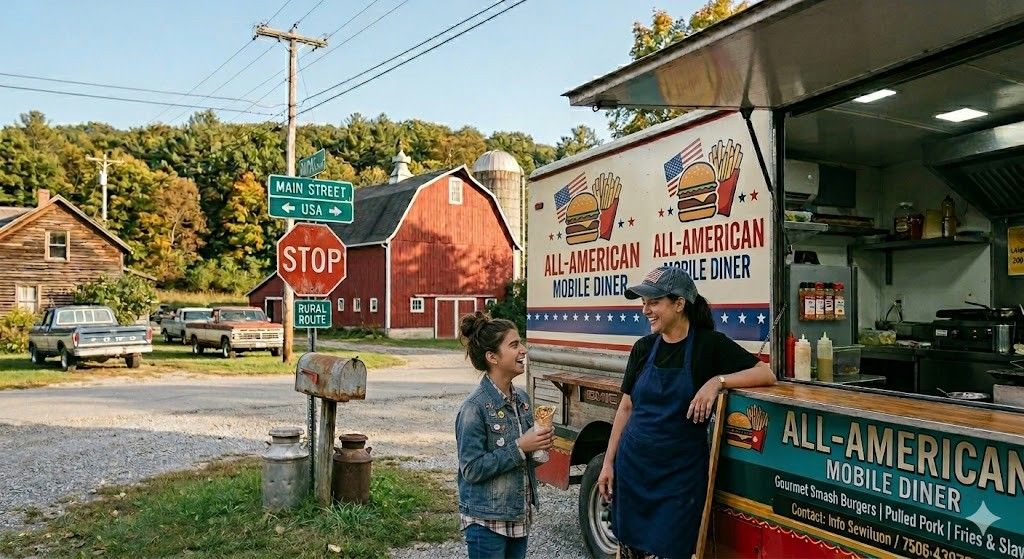
Starting a food truck can be an exciting way to enter the food industry without the high overhead costs of a traditional restaurant. However, many food truck owners underestimate the planning required to build a sustainable and profitable business.
A well-structured food truck business plan serves as your roadmap. It helps you define your concept, understand your target market, estimate costs, secure funding, and prepare for challenges before they arise.
Whether you’re launching your first mobile kitchen or expanding an existing food brand, this guide will walk you through every essential component of a successful food truck business plan.
Why a Food Truck Business Plan Matters
Many entrepreneurs are passionate about food but struggle with the business side of operations. A detailed business plan helps you:
- Clarify your business goals
- Understand market demand
- Estimate startup and operating expenses
- Secure investors or business loans
- Reduce risks and unexpected costs
- Create a long-term growth strategy
Without a plan, even a great food concept can fail due to poor budgeting, weak marketing, or operational inefficiencies.
Key Components of a Food Truck Business Plan
Every successful food truck business plan should include several core sections.
Executive Summary
The executive summary provides a quick overview of your business.
Include:
- Business name
- Food truck concept
- Mission statement
- Target audience
- Location strategy
- Financial goals
- Funding requirements
Example:
“Street Flavor Express is a gourmet taco food truck serving fresh, locally sourced Mexican-inspired street food in high-traffic urban locations and corporate districts.”
Although this section appears first, many owners write it last after completing the rest of the plan.
Define Your Food Truck Concept
One of the most important decisions is selecting a unique and profitable concept.
Popular Food Truck Niches
- Gourmet burgers
- Street tacos
- BBQ specialties
- Coffee and beverages
- Vegan meals
- Healthy bowls
- Ice cream and desserts
- International cuisine
- Breakfast-focused menus
- Fusion food concepts
When developing your concept, ask:
- What makes your food different?
- Why will customers choose your truck?
- Is there enough demand in your area?
- Can the menu be prepared efficiently in a small kitchen?
The strongest food truck businesses balance uniqueness with operational simplicity.
Market Research and Industry Analysis
A successful food truck business plan requires detailed market research.
Identify Your Target Customers
Your ideal customers may include:
- Office workers
- College students
- Event attendees
- Tourists
- Families
- Late-night diners
- Fitness-focused consumers
Create customer profiles based on:
- Age
- Income
- Lifestyle
- Food preferences
- Purchasing habits
The more clearly you define your audience, the easier it becomes to design menus and marketing campaigns.
Analyze Competitors
Study local food trucks and restaurants.
Evaluate:
- Menu offerings
- Pricing
- Customer reviews
- Social media presence
- Locations
- Branding
Look for gaps in the market. For example, if your area has multiple burger trucks but no authentic Korean street food vendor, that could represent an opportunity.
Build a Profitable Menu
Your menu directly impacts profitability.
Menu Planning Tips
Focus on:
- Limited but high-quality options
- Fast preparation times
- Strong profit margins
- Easy inventory management
- Consistent customer favorites
Many successful food trucks operate with only 8–15 menu items.
Calculate Food Costs
A common industry benchmark is keeping food costs between 25% and 35% of menu prices.
Example:
- Ingredient cost per taco: $2.50
- Selling price: $8.00
- Gross profit: $5.50
Regular menu engineering helps maximize profits while maintaining customer satisfaction.
Food Truck Startup Costs
One section investors carefully review is startup costs.
Typical Food Truck Startup Expenses
| Expense Category | Estimated Cost |
| Food truck purchase | $40,000–$200,000 |
| Kitchen equipment | $10,000–$50,000 |
| Licenses and permits | $500–$10,000 |
| Insurance | $2,000–$8,000 annually |
| Initial inventory | $2,000–$8,000 |
| Branding and design | $1,000–$10,000 |
| POS system | $500–$3,000 |
| Marketing launch | $1,000–$5,000 |
Actual costs vary depending on location, truck condition, and menu complexity.
Licensing, Permits, and Legal Requirements
Food trucks operate under various local regulations.
Common requirements include:
- Business registration
- Food service permits
- Health department approval
- Fire safety inspections
- Vehicle registration
- Parking permits
- Sales tax permits
- Food handler certifications
Always verify requirements with local authorities before launch.
Failure to secure proper permits can result in costly fines and business interruptions.
Operations Plan for a Food Truck Business
An operational strategy shows how your business functions daily.
Staffing Requirements
Many food trucks begin with:
- Owner/operator
- One cook
- One cashier or assistant
As demand grows, staffing can expand.
Daily Operations Checklist
- Food preparation
- Inventory management
- Equipment maintenance
- Location setup
- Customer service
- Cleaning and sanitation
- End-of-day reporting
Efficient operations reduce waste and improve profitability.
Marketing Strategy for Food Truck Success
A strong marketing section is essential in every food truck business plan.
Build a Memorable Brand
Your brand should include:
- Eye-catching truck design
- Professional logo
- Consistent colors
- Clear messaging
- Unique brand personality
Customers often decide whether to approach a food truck based on appearance alone.
Use Social Media Effectively
Food trucks benefit greatly from location-based marketing.
Best platforms include:
- TikTok
- YouTube Shorts
Share:
- Daily locations
- Menu specials
- Behind-the-scenes content
- Customer testimonials
- Event announcements
Regular posting helps build a loyal customer base.
Partner With Local Events
Profitable opportunities include:
- Music festivals
- Corporate events
- Farmers markets
- Sporting events
- Community gatherings
- Weddings
- Private catering
Many food truck owners generate significant revenue through catering services.
Financial Projections in Your Food Truck Business Plan
Financial forecasting demonstrates business viability.
Revenue Projections
Estimate:
- Average daily customers
- Average order value
- Operating days per month
Example:
- 80 customers daily
- $15 average ticket
- 25 operating days
Monthly Revenue:
80 × $15 × 25 = $30,000
Monthly Operating Expenses
Include:
- Food inventory
- Labor
- Fuel
- Truck maintenance
- Insurance
- Marketing
- Commissary kitchen fees
- Permit renewals
Break-Even Analysis
Calculate how many sales are needed to cover expenses.
A break-even analysis helps determine realistic revenue targets and pricing strategies.
Funding Options for Your Food Truck Business
Many entrepreneurs require outside funding.
Potential sources include:
- Personal savings
- Small business loans
- Equipment financing
- Investor partnerships
- Crowdfunding
- Family funding
- Business grants
Lenders typically request a complete food truck business plan before approving financing.
Growth Strategies Beyond Year One
A strong business plan should include future expansion opportunities.
Scaling Opportunities
Consider:
- Adding a second truck
- Expanding into catering
- Launching packaged products
- Opening a brick-and-mortar location
- Creating franchise opportunities
- Partnering with delivery platforms
Successful food truck brands often evolve into larger food businesses.
Common Food Truck Business Plan Mistakes
Avoid these frequent errors:
- Overestimating revenue
- Underestimating operating costs
- Offering too many menu items
- Ignoring local regulations
- Weak branding
- Poor location selection
- Inadequate marketing
- Lack of emergency funds
Planning for these challenges improves long-term success.
FAQs
What should be included in a food truck business plan?
A food truck business plan should include an executive summary, company description, market analysis, menu strategy, operations plan, marketing plan, financial projections, and funding requirements.
How much money do I need to start a food truck?
Startup costs typically range from $50,000 to over $250,000, depending on the truck, equipment, permits, and location.
Can a food truck be more profitable than a restaurant?
In many cases, yes. Food trucks generally have lower overhead costs, fewer employees, and greater flexibility in choosing profitable locations.
Do food trucks need a commissary kitchen?
Many jurisdictions require food trucks to operate from a licensed commissary kitchen for food preparation, storage, and sanitation.
How long should a food truck business plan be?
Most professional business plans range from 10 to 25 pages, depending on the level of detail required by investors or lenders.
Is a food truck a good business in 2025?
Food trucks continue to offer strong opportunities due to lower startup costs, growing consumer demand for convenience, and increasing interest in unique dining experiences.
Conclusion
Creating a comprehensive food truck business plan is one of the most important steps toward building a successful mobile food business. It helps you validate your concept, understand your market, manage costs, attract funding, and prepare for long-term growth.
Rather than treating your business plan as a one-time document, view it as a living strategy that evolves alongside your business. With careful planning, strong branding, efficient operations, and a customer-focused approach, your food truck can become a profitable and scalable venture in today’s competitive food industry.
The best time to build your plan is before investing significant money. A few weeks spent creating a detailed roadmap can save months of costly mistakes and dramatically increase your chances of success.
