
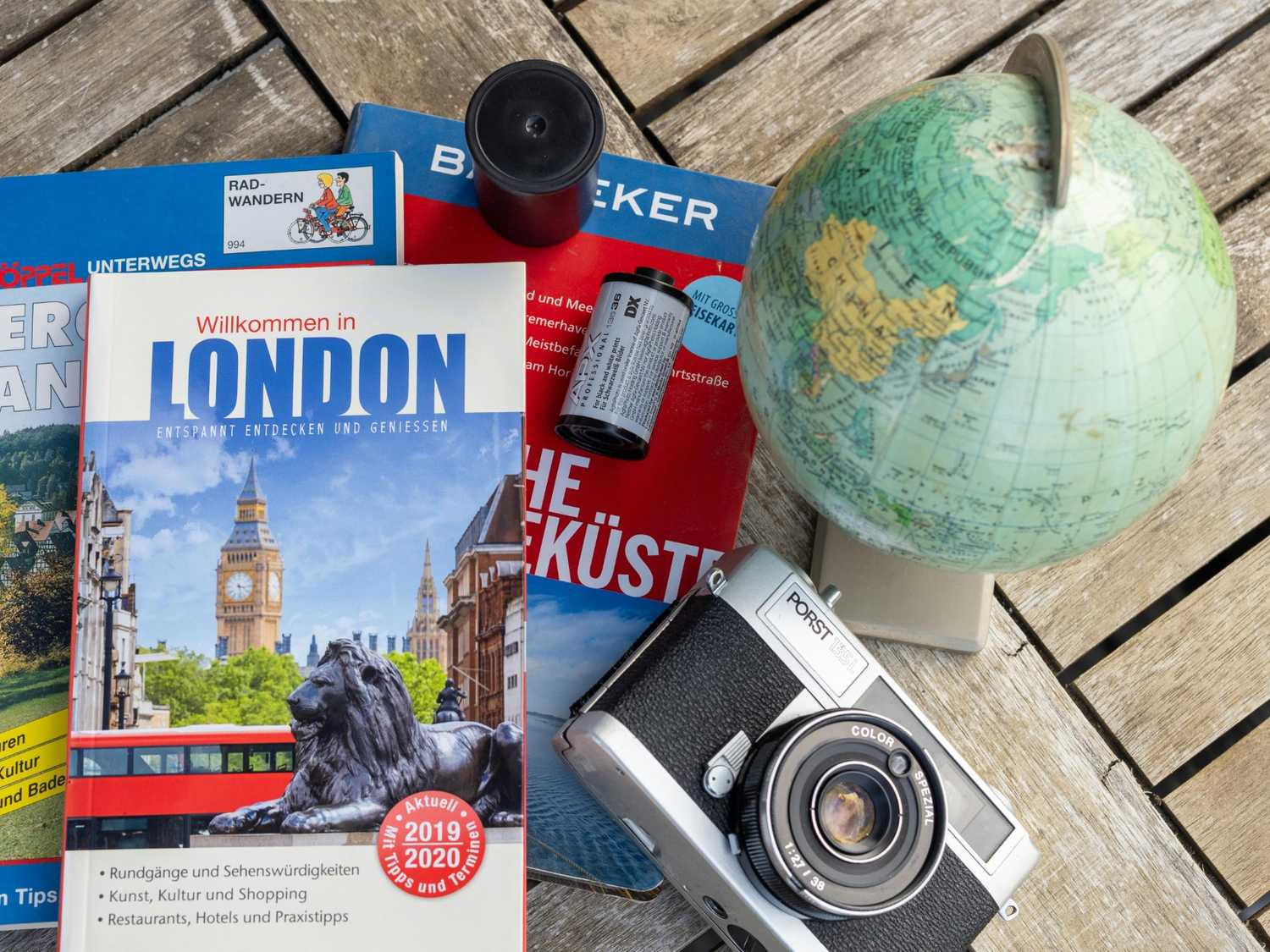
Planning a trip to Europe sounds exciting, but it can also feel overwhelming. With so many countries, cities, and experiences to choose from, where do you even begin?
That’s exactly why this Europe travel guide 2026 exists.
Whether you’re dreaming of strolling through Paris, exploring ancient streets in Rome, or discovering hidden gems far from the crowds, the right plan can make all the difference. Travel in Europe has also evolved in recent years, with new visa rules, smarter transportation options, and better ways to save money.
In this guide, you’ll learn everything you need to plan your perfect trip. From choosing destinations to budgeting, packing, and avoiding common mistakes, it’s all covered in a simple, practical way.
If you want a smooth, stress-free European adventure in 2026, you’re in the right place. Let’s get started.
Why Visit Europe in 2026?
Europe remains one of the most diverse travel regions in the world. In 2026, it offers a mix of history, culture, and modern experiences. You can visit multiple countries in one trip with ease. Better transport and digital tools make planning simpler than ever. Whether you want art, food, or nature, Europe has it all. This year is a great time to explore both famous cities and lesser-known places.
Key Travel Trends in Europe
Travel trends in Europe are changing fast. Many travelers now prefer slower, more meaningful trips. Instead of rushing through cities, they stay longer in one place. Sustainable travel is also growing. Visitors are choosing trains over flights and supporting local businesses. Digital nomad visas are becoming more common, allowing longer stays. At the same time, smaller towns are gaining popularity. These places offer fewer crowds and a more authentic feel. Technology is also helping travelers plan better, from booking apps to digital guides.
Best Time to Visit Europe
The best time to visit depends on your goals. Spring and fall are ideal for mild weather and fewer crowds. Summer is popular but often busy and expensive. Winter is quieter and great for festive markets and snow-covered landscapes. Each season offers something unique. For example, spring brings blooming flowers, while autumn offers rich colors and harvest festivals. If you want a balanced experience, consider traveling during the shoulder seasons. This helps you enjoy good weather without peak prices.
Europe Travel Requirements in 2026
Before planning your trip, it’s important to understand current travel requirements. Rules can change, so always check official updates. Most travelers will need a valid passport. Some may also need visas or travel authorization. Health insurance is strongly recommended. Being prepared avoids stress and delays. With the right documents in place, your European travel experience will be much smoother and more enjoyable.
Visa and Entry Requirements
Visa rules in Europe depend on your nationality. Many countries are part of the Schengen Area. This allows travel between multiple countries with one visa. Some travelers can enter visa-free for short stays. Others must apply in advance. In 2026, systems like ETIAS may apply to visa-exempt visitors. This is a simple online authorization. Always check the latest entry rules before booking your trip. Make sure your passport is valid for at least six months beyond your travel dates.
Travel Insurance and Health Requirements
Travel insurance is not always required, but it is highly recommended. It protects you from unexpected costs like medical emergencies or trip cancellations. Healthcare in Europe can be expensive without coverage. Choose a policy that includes medical care, lost luggage, and delays. Some countries may also have specific health guidelines. It’s wise to carry basic documents, including vaccination records if needed. Having insurance gives peace of mind and allows you to enjoy your trip without worry.
How to Plan Your Europe Trip (Step-by-Step)
Planning a European trip becomes easier when you break it into steps. Start with your goals and build from there. Focus on destinations, budget, and timing. Then move on to bookings and logistics. A clear plan helps you avoid stress and saves time. It also ensures you make the most of your trip. Follow these simple steps to create a smooth and enjoyable travel experience.
Step 1 – Choose Your Destinations
Start by deciding where you want to go. Europe offers many regions, each with a unique feel. Western Europe is popular for its famous landmarks. Eastern Europe offers lower costs and a rich culture. Southern Europe is known for beaches and food. Think about your interests. Do you prefer history, nature, or city life? Avoid trying to see too much at once. Pick a few key places and explore them well. This makes your trip more relaxed and meaningful.
Step 2 – Set a Realistic Budget
Budgeting is a key part of planning. Costs vary widely across Europe. Some countries are more affordable than others. Start by estimating daily expenses. Include accommodation, food, transport, and activities. Decide your travel style—budget, mid-range, or luxury. Add extra funds for unexpected costs. Booking early can help you save money. Tracking your spending also keeps you on plan. A clear budget ensures you enjoy your trip without financial stress.
Step 3 – Create a Travel Itinerary
Your itinerary shapes your entire trip. Begin by listing your top destinations. Then decide how many days to spend in each place. Avoid rushing between cities. Travel time can take longer than expected. Plan a balance between sightseeing and rest. Include must-see attractions, but leave room for flexibility. This allows you to enjoy spontaneous moments. A well-planned itinerary helps you stay organized and make the most of your time.
Step 4 – Book Flights and Accommodation
Booking early often gives better prices and more options. Compare flights across different dates to find deals. Consider flying into one city and out of another. This saves time and travel costs. For accommodation, choose what suits your budget. Options include hotels, hostels, and apartments. Location is important. Staying near transport hubs can make travel easier. Always read reviews before booking. This helps you avoid unpleasant surprises.
Step 5 – Plan Transportation
Europe has an excellent transport network. Trains are fast and connect major cities. Buses are cheaper but slower. Budget airlines are useful for long distances. Decide what works best for your route. Rail passes can save money if you travel often. In cities, public transport is reliable and easy to use. Planning helps you avoid last-minute stress. It also ensures smooth movement between destinations.
Best Places to Visit in Europe
Europe offers something for every type of traveler. From famous cities to hidden spots, choices are endless. You can explore history, enjoy nature, or relax by the sea. Picking the right destinations depends on your interests and time. A mix of popular and lesser-known places often creates the best experience. This approach gives you both excitement and authenticity.
Iconic Cities You Shouldn’t Miss
Some cities are famous for a reason. Paris offers art, culture, and romance. Rome is full of ancient history and architecture. Barcelona combines beaches with a unique design. Amsterdam is known for canals and museums. These cities are well-connected and easy to explore. They provide a great introduction to Europe. However, they can be crowded. Visiting early in the day or off-season helps you enjoy them more.
Hidden Gems in Europe
Beyond major cities, Europe has many hidden gems. Smaller towns and villages offer a quieter experience. You can find local traditions, scenic views, and fewer tourists. Places like mountain villages or coastal towns often feel more authentic. They are also more affordable. Exploring these areas adds depth to your trip. It allows you to see a different side of Europe that many travelers miss.
Best Destinations by Travel Style
Different travelers look for different experiences. Couples may prefer romantic cities or scenic regions. Families often enjoy places with attractions and easy transport. Solo travelers may seek safe and social destinations. Adventure seekers can explore mountains, forests, or coastal areas. Choosing places based on your style improves your experience. It ensures your trip matches your expectations and interests.
Transportation in Europe Explained
Getting around Europe is easy and efficient. The region has one of the best transport systems in the world. You can travel between countries and cities with ease. Choosing the right option depends on your route and budget. Planning transport in advance helps you save time and money.
Train Travel (Eurail Guide)
Train travel is one of the best ways to explore Europe. It is fast, comfortable, and scenic. High-speed trains connect major cities quickly. Rail passes can be useful if you plan multiple trips. However, point-to-point tickets may be cheaper for fewer journeys. Booking early often gives better prices. Trains also arrive in city centers, saving travel time. This makes them a popular choice for many travelers.
Budget Airlines and Alternatives
Budget airlines offer cheap flights across Europe. They are useful for long distances. However, they may include extra luggage fees. Airports are often located outside cities, adding travel time. Buses are another option. They are affordable but slower. Comparing all options helps you choose the best one. Consider both cost and convenience when making decisions.
Public Transport in Cities
Public transport in European cities is reliable and easy to use. Options include buses, trams, and metro systems. Most cities offer travel cards for unlimited rides. These can save money and time. Maps and apps make navigation simple. Walking is also a great option in many places. It allows you to explore at your own pace. Using public transport helps you move efficiently.
Europe Travel Tips for First-Time Visitors
First-time travelers can benefit from simple tips. Understanding local customs and systems helps avoid confusion. Preparation makes your trip smoother and more enjoyable. With the right knowledge, you can travel with confidence.
Cultural Etiquette and Local Customs
Europe has diverse cultures and traditions. Respecting local customs is important. Simple actions like greeting politely can make a difference. Dress codes may vary in certain places. Learning a few local phrases shows respect. Being aware of social norms helps you avoid misunderstandings. This creates a more positive experience during your trip.
Safety Tips for Travelers
Europe is generally safe, but it’s good to stay alert. Keep your belongings secure in crowded areas. Avoid displaying valuables openly. Be cautious of common scams in tourist spots. Use trusted transport options, especially at night. Having copies of important documents is helpful. Staying aware of your surroundings ensures a safer journey.
Language and Communication Tips
Many people in Europe speak English, especially in cities. However, language barriers can still exist. Learning basic phrases can be helpful. Translation apps make communication easier. Speaking slowly and clearly also helps. Non-verbal communication can be useful too. Being patient and respectful improves interactions with locals.
Sample Europe Itineraries for 2026
Planning an itinerary helps you use your time wisely. The length of your trip affects how much you can see. Short trips focus on a few cities. Longer trips allow deeper exploration. Choosing the right pace is key to enjoying your journey.
7-Day Europe Itinerary
A 7-day trip works best with one or two destinations. Focus on major cities or nearby regions. Spend enough time in each place to explore comfortably. Avoid long travel distances. Choose locations with good connections. This helps you make the most of your limited time. A simple plan ensures a relaxed experience.
10-Day Europe Itinerary
Within 10 days, you can explore more variety. Visit two or three destinations with good transport links. Balance sightseeing with rest. Include both popular spots and quieter areas. This creates a well-rounded trip. Planning travel routes carefully saves time. A balanced itinerary improves your overall experience.
14-Day Europe Itinerary
A 14-day trip allows deeper exploration. You can visit multiple countries at a relaxed pace. Spend several days in each destination. This helps you experience local culture. Include a mix of cities and scenic areas. Avoid rushing between locations. A longer itinerary offers more flexibility and enjoyment.
Conclusion
Planning a trip to Europe takes time and effort, but it is worth it. With the right steps, you can create a smooth and enjoyable journey. Focus on your goals, budget, and interests. Stay flexible and open to new experiences. This guide gives you a strong starting point. Now, you are ready to begin planning your perfect European adventure.
